Choosing a fulfillment partner in China can shape delivery speed, inventory accuracy, and customer trust. The right provider can also reduce operational pressure during seasonal demand.
This guide introduces China’s top 10 E-commerce Order Fulfillment companies. It focuses on practical capabilities rather than promotional claims. Each company is reviewed through service coverage, warehouse technology, order accuracy, shipping options, and customer support.
Important details often appear inside daily operations. A reliable warehouse should scan products correctly, update stock promptly, and protect parcels during handling. Clear return procedures matter too. They can prevent small delivery problems from becoming expensive disputes.
Our comparison considers support for online stores, marketplaces, and international brands. It also examines storage flexibility, integration options, packaging services, and reporting quality. Some providers may offer strong cross-border networks, while others perform better with domestic distribution. No company is perfect.
The ranking should not be treated as permanent. Pricing, warehouse locations, software systems, and carrier relationships can change. Public information may also leave gaps. That is why readers should confirm current service terms before signing an agreement.
Experience remains valuable here. A provider may look impressive on paper but struggle with fragile goods, sudden order surges, or unclear inventory data. We highlight these practical risks where evidence allows. The goal is not to promote one universal winner. It is to help businesses identify a dependable partner for their products, customers, and growth plans. Small differences can matter.
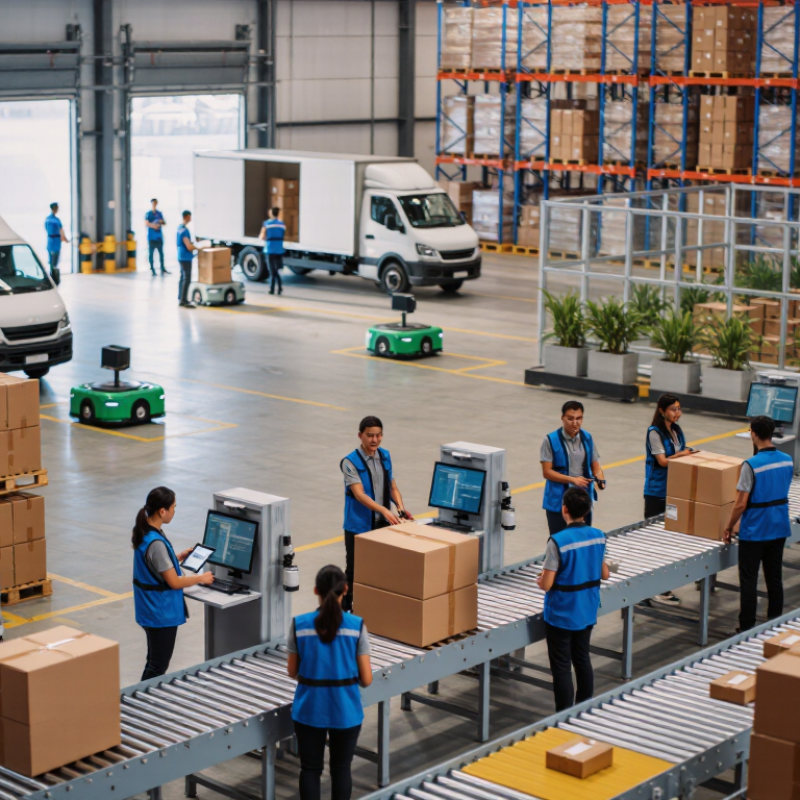
E-commerce order fulfillment companies handle the work between a customer placing an order and receiving it. In China, their services commonly include receiving stock, storing products, picking and packing orders, arranging delivery, and processing returns. They may connect warehouse systems with online stores so sellers can track inventory and order status.
Their role goes beyond moving parcels. A fulfillment partner can help a seller manage busy sales periods, distribute stock across regions, and respond when an order is delayed or arrives damaged. For example, a warehouse team might scan a product at intake, locate it on a storage shelf, then pack it for dispatch after an order comes through. That matters. Accurate stock records help prevent overselling, though software cannot fix every counting mistake.
The right provider depends on order volume, product needs, delivery coverage, and the seller’s ability to share clear data. Ask how inventory is checked, how exceptions are reported, and what happens when returns arrive. A polished dashboard can be reassuring, but it is not proof of reliable operations. Small errors travel. Sellers should review actual performance and keep expectations realistic, especially when demand changes quickly.
China’s leading e-commerce fulfillment providers support more than storage and parcel dispatch. Their core service begins with receiving goods, checking quantities, and recording batch details in a warehouse system. Many facilities offer product inspection, barcode labeling, kitting, and customized packing for lawful consumer products. These controls reduce picking mistakes, especially during promotional peaks.
Order processing usually connects with a seller’s online store through an application interface. New orders can be verified, picked, packed, and assigned to a tracked delivery service within defined service windows. Real-time inventory alerts help prevent overselling. Some providers also offer freight coordination, export documentation support, and delivery options for different regions.
Clear rate cards matter. Hidden handling fees can damage a carefully planned margin.
Returns management is another practical service. Staff may photograph damaged packaging, classify the issue, and update stock after approval. Customer support in multiple languages can help, though response quality varies between teams. No warehouse is flawless. A single incorrect label can delay an otherwise accurate shipment. Experienced merchants often test a small batch, review scan accuracy, inspect packing samples, and compare inventory reports before scaling. Useful performance measures include order accuracy, dispatch time, return processing speed, and stock variance. Providers that document these figures offer stronger evidence than polished sales promises. Even then, forecasts can miss seasonal demand, so reorder rules should be reviewed regularly.
China’s e-commerce fulfillment market now operates at enormous scale. The National Bureau of Statistics reported online retail sales of approximately RMB 15.42 trillion in 2023. The State Post Bureau also recorded more than 132 billion express parcels that year. These figures explain why the top 10 fulfillment companies compete on speed, warehouse coverage, inventory accuracy, and return handling.
A credible ranking should examine more than delivery promises. Strong providers connect warehouse management systems with marketplaces, manage batch picking, and support real-time stock visibility. They should also offer cold-chain capacity, customized packaging, and regional distribution options. DHL’s 2024 E-Commerce Trends Report noted that delivery flexibility strongly influences online purchase decisions. Still, no ranking is flawless. Service quality can change between provinces, especially during major shopping festivals. A low quoted fee may also hide storage, relabeling, or return costs.
Tips: Request twelve months of operational data before signing. Check order accuracy, average dispatch time, peak-season capacity, and damaged-parcel rates. Ask for a warehouse walk-through, even by video. Test ten sample orders first. Small tests reveal uncomfortable facts. Choose providers with clear service-level agreements, transparent surcharges, and documented data-security controls. Personal experience matters here: a polished presentation cannot replace consistent scans, clean shelves, and fast exception handling.
When comparing China’s top e-commerce fulfillment companies, examine service quality before pricing. A low fee may hide slow receiving, weak inventory controls, or unclear return handling. Ask for measurable service levels, including order accuracy, same-day processing, stock update frequency, and response times. Reliable providers should explain these figures with recent operating records.
Coverage needs careful testing. Check warehouse locations, delivery zones, carrier options, and peak-season capacity. A company may offer broad coverage but depend on one facility near a major port. That can create delays when weather, holidays, or carrier shortages affect transport. Request sample delivery timelines for urban, rural, and remote destinations. Compare normal and peak periods.
Technology also matters, but software demonstrations can be misleading. Request a live inventory view, order exception records, and integration documentation. Returns deserve equal attention. Ask how parcels are inspected, relabeled, stored, and refunded under agreed procedures. I once focused too heavily on delivery speed and missed poor return visibility. That mistake increased support work. Review references, audit records, service agreements, and escalation contacts before choosing among the top ten. The cheapest option is not always efficient. Small gaps become expensive at scale.
Choosing a Chinese fulfillment partner starts with your order profile, not a ranking. Compare warehouse locations, daily order capacity, and shipping options for your main customer markets. Ask how staff receive goods, scan each SKU, and record damaged cartons. Clear inventory procedures reduce avoidable stock discrepancies.
Check the details behind delivery estimates. Ask for cutoff times, tracking milestones, and examples of how delays are reported. Review the fees for storage, packing materials, returns, and seasonal volume. A low pick-and-pack rate may not reflect the full cost. No checklist catches every surprise.
Technology matters, but a polished dashboard is not proof of reliable operations. Confirm that order and inventory data can sync with your sales channels, then test a small batch of real orders. Watch for mismatched quantities, slow updates, or unclear exception handling. Ask for recent performance reports and references you can verify. Also clarify who can access customer data and how long records are retained. A trial will not reveal everything, but it can expose gaps early. I would still expect some friction during setup; the important part is whether the partner explains it clearly and fixes recurring problems.
They receive goods, check quantities, record batches, store inventory, pick orders, and arrange tracked delivery. Some also inspect products and apply barcode labels.
Staff can scan each SKU, verify quantities, and update inventory in real time. This helps prevent overselling. Mistakes still happen.
Many providers connect warehouse systems with online stores through an application interface. Orders can then move through verification, picking, packing, and dispatch.
Review storage, packing materials, relabeling, returns, handling, and seasonal volume fees. A low pick-and-pack rate may hide extra charges.
Send about ten sample orders and compare scans, packing quality, dispatch speed, and inventory updates. A small test reveals uncomfortable facts.
Request order accuracy, average dispatch time, return processing speed, stock variance, and damaged-parcel rates. Twelve months of data gives stronger evidence.
Staff may photograph damaged packaging, classify the problem, and update stock after approval. Ask how quickly returns become available for resale.
Locations affect delivery times and regional shipping costs. Peak capacity matters during major shopping festivals. Forecasts can still miss demand.
Ask who can access customer information and how long records remain stored. Confirm the provider documents its data-security controls.
No. Test real orders and compare dashboard updates with physical stock and tracking events. Technology can look better than operations.
This article explains the role of E-commerce Order Fulfillment companies in China and how they help online businesses manage the journey from receiving inventory to delivering orders. It outlines common services, including warehousing, inventory management, order processing, packing, shipping coordination, and returns handling. Together, these services can help businesses improve delivery efficiency, maintain accurate stock records, and provide a more reliable customer experience.
The article also introduces ten types of leading fulfillment providers operating in China and offers a practical framework for comparing them. Readers can assess service capabilities, geographic coverage, technology, operating flexibility, communication, and pricing transparency. By considering product requirements, order volumes, delivery expectations, and plans for business growth, companies can choose a Chinese fulfillment partner that fits their operational needs.