
Toll-Free: 888-464-5459 Miami, Florida · Serving the Americas & Asia
English Español
Strategic Bonded Warehouse Logistics

Enterprise Bonded Warehouse Logistics: Defer Duties & Scale Global Supply Chains

Maximize working capital, eliminate tariff bottlenecks, and route cargo seamlessly across the U.S., Latin America, and Asia with ShipLilly's customs-controlled Miami hub.

Inquire Now
0% DutyUntil cargo enters U.S. commerce
5 YearsMax bonded storage retention period
Licensed NVOCCUnified ocean & bonded warehouse contract
Bilingual TeamExpert CBP compliance specialists
The Strategic Imperative

Why Global Procurement Leaders Rely on Bonded Warehouse Logistics

In an era defined by volatile tariffs, high carrying costs, and unpredictable global trade compliance, enterprise importers require sophisticated customs-controlled logistics frameworks. Bonded warehouse logistics provides an operational buffer, deferring taxes, enabling duty-free re-exports, and enhancing liquidity across international supply chains.

Customs Bonded Warehousing (Class 2 & Class 3)

Store imported goods under U.S. Customs and Border Protection (CBP) supervision without immediate payment of customs duties, taxes, or Section 301 tariffs.

  • Complete duty deferral for up to 5 years
  • Full release upon partial consumption entries
  • CBP-compliant security and real-time reporting
Inquire Now

Foreign Trade Zone (FTZ) Operations

Combine bonded benefits with FTZ flexibility. Eliminate tariffs entirely on re-exported goods and consolidate multiple shipments into single weekly CBP entries.

  • Duty elimination on Latin American re-exports
  • Weekly Entry filings to reduce Merchandise Processing Fees (MPF)
  • Inverted tariff relief for manufacturing and assembly
Inquire Now

In-Bond Transportation (IT, T&E, TE)

Move uncleared cargo between ports of entry, bonded facilities, or international export gateways without triggering customs duty liabilities.

  • Immediate Transportation (IT) to inland hubs
  • Transportation & Exportation (T&E) to LATAM
  • Licensed bonded drayage and carrier management
Inquire Now
Enterprise Advantage

The ShipLilly Difference in Bonded Warehouse Operations

Operating as Lilly Associates International, ShipLilly brings over two decades of specialized supply chain expertise. We are not just a warehouse operator; we are a fully integrated ocean freight forwarder, licensed NVOCC, and customs broker.

Full In-House CBP Compliance

Our licensed customs brokerage team manages all entry types (Entry 01, 21, 22, and 7512 in-bond filings) directly, eliminating third-party communication delays.

Licensed NVOCC Carrier Power

We leverage contract volume rates across premier ocean lines, coordinating bonded transport from Asian origin ports straight through to our Miami warehouse facility.

Bilingual English/Spanish Logistics Team

Seamless execution across North American, Latin American, and Asian commerce networks with assigned dedicated account professionals.

Inquire Now
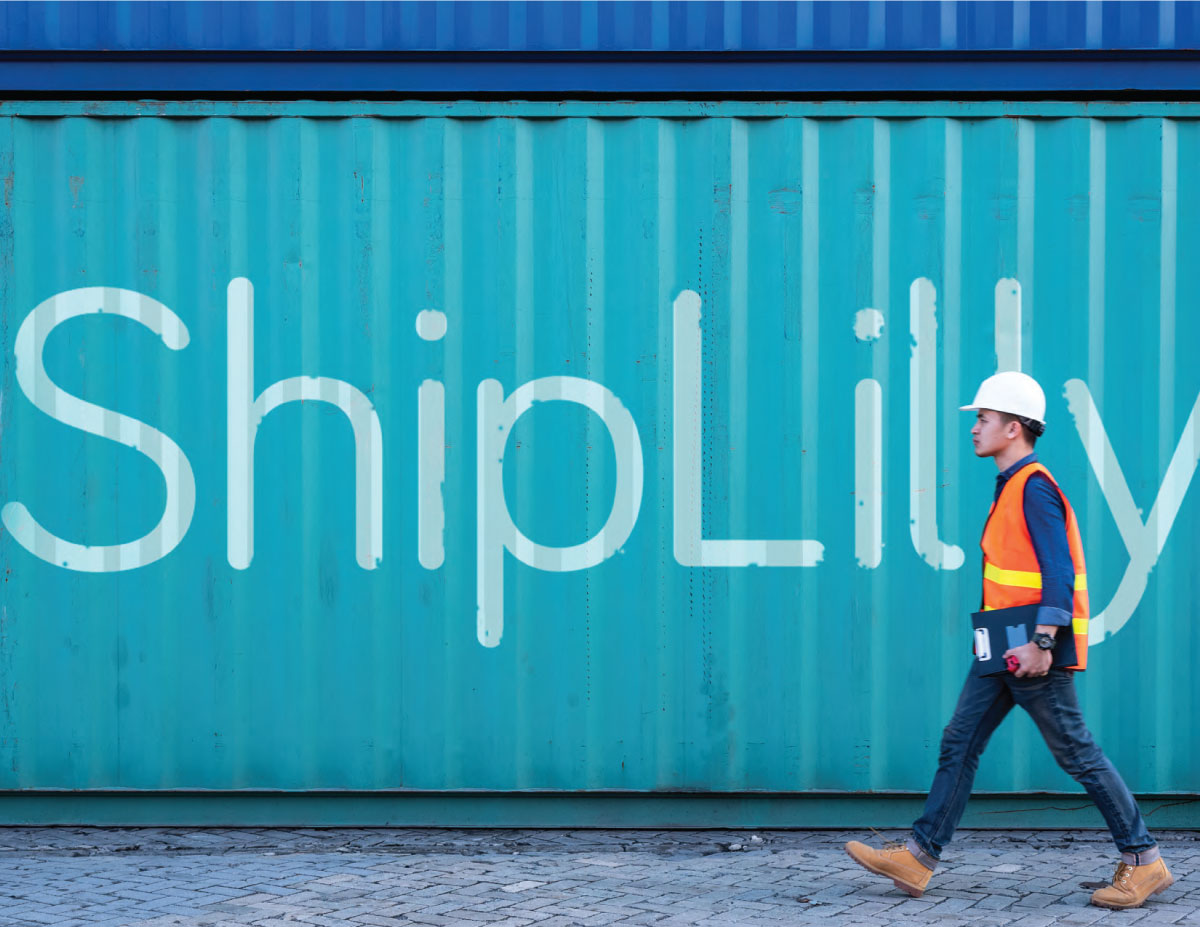
ShipLilly bonded warehouse container logistics and port drayage facility
CBP Authorized Facility
ShipLilly Logistics CenterMiami, FL · Licensed NVOCC & Bonded Hub
Strategic FAQ & Information Gain

Frequently Asked Questions: Bonded Logistics Masterclass

In-depth technical responses to complex questions mined from global buyers, procurement specialists, and supply chain managers.

What is the core difference between a Customs Bonded Warehouse and a Foreign Trade Zone (FTZ)?

While both frameworks allow buyers to defer customs duties, key differences exist in operations and jurisdiction:

  • Customs Bonded Warehouse: Governed directly by CBP under 19 U.S.C. 1555. Goods can be stored for up to 5 years without duty payment. Operations inside are strictly regulated (cleaning, repacking, sorting, and limited manipulation are allowed, but full manufacturing is restricted). Duty rates are fixed based on the rate in effect upon entry into the bonded warehouse.
  • Foreign Trade Zone (FTZ): Considered outside U.S. customs territory for duty assessment. Allows unlimited retention time, full manufacturing, assembly, and inverted tariff benefits (paying the lower duty rate between raw components and finished goods). FTZs also support "Weekly Entry" procedures, significantly reducing Merchandise Processing Fees (MPF).

How do Section 301 tariffs apply to goods stored in a Miami bonded warehouse?

When products subject to Section 301 tariffs (such as goods originating from China) arrive at a U.S. port, entering them into a bonded warehouse immediately suspends the duty requirement. As long as the cargo remains within the bonded facility, no Section 301 tariffs are owed. If the goods are subsequently re-exported to Latin America, the Caribbean, or Europe via a Transportation & Exportation (T&E) in-bond filing, the importer avoids paying Section 301 duties entirely. If cleared into U.S. commerce, duties are paid at the time of official consumption entry.

What types of activities or manipulation are legally permitted within a Customs Bonded Warehouse?

Under 19 CFR Part 19, Class 8 bonded warehouses permit specific non-manufacturing operations under CBP supervision. Importers may inspect, clean, sort, repackage, relabel, and combine imported goods with domestic merchandise. However, transforming the fundamental character of the commodity (manufacturing) is prohibited in standard bonded facilities and requires a Foreign Trade Zone (FTZ) Class 6 designation.

What are the legal compliance steps for moving containerized freight In-Bond (IT / T&E)?

Moving uncleared freight requires strict adherence to CBP in-bond regulations:

  1. Filing CBP Form 7512: An electronic Entry of Merchandise for Transportation In Bond must be submitted via ACE by a licensed bonded carrier.
  2. Bonded Drayage: Ocean containers or air cargo must be transported exclusively by a CBP-bonded cartman or bonded freight carrier.
  3. High-Security Seals: Physical container seals complying with ISO 17712 standards must be maintained and verified at origin and destination facilities.
  4. Conveyance Timelines: In-bond shipments must reach destination facilities within specified windows (typically 30 days) to prevent liquidated damage claims.

How does bonded warehouse logistics protect against port demurrage and detention fees?

Port demurrage accumulates rapidly when containers sit uncleared at ocean terminals due to documentation delays, customs holds, or unready import capital. By executing an Immediate Transportation (IT) entry, ShipLilly pulls containers out of port terminals immediately and drays them to our off-dock bonded warehouse. The container is quickly devanned and returned to the ocean carrier, stopping container detention fees while cargo safely rests in-bond tax-free.

Can buyers execute partial releases of inventory stored in a bonded warehouse?

Yes. One of the greatest financial advantages of bonded logistics is incremental entry authorization. An importer can store 500 pallets in-bond, but file consumption entries (CBP Form 7501) for only 50 pallets per week as sales occur. Duties and taxes are paid strictly on the withdrawn portion, drastically improving enterprise cash flow alignment.

What documentation is required to initiate bonded warehouse storage with ShipLilly?

To establish bonded storage, buyers must provide: Commercial Invoice, Detailed Packing List, Master Bill of Lading (MB/L) or House Bill of Lading (HB/L), accurate HTS Code classifications, Importer Security Filing (ISF 10+2 for ocean freight), and authorization for ShipLilly’s customs broker team to execute CBP Form 7512 / Warehousing Entry filings.

Optimize Your Bonded Logistics Strategy Today

Connect directly with ShipLilly's customs compliance and bonded warehousing team in Miami. We will evaluate your trade lanes, quantify potential duty savings, and build a tailored supply chain solution.

Ready to Defer Duties & Streamline Transit?

Bilingual consultation available in English & Spanish.

888-464-5459Toll-free · Mon–Fri, Eastern Time