Toll-Free: 888-464-5459 Miami, Florida · Serving the Americas & Asia
English Español
0%

Full Container Load Freight is the ocean-shipping model in which one shipper reserves an entire container for one consignment. The cargo does not need to fill every cubic meter. It only needs exclusive use of the equipment. A 20-foot container may carry machinery, cartons, or palletized goods, while a 40-foot high-cube unit offers greater internal height for suitable cargo.

The process usually starts with a booking request, cargo measurements, and a verified shipping schedule. A truck collects the empty container from a depot. The shipper loads and secures the goods, records the seal number, and submits commercial and transport documents. The container then moves to the export terminal, boards the vessel, and reaches the destination port. Local transport completes delivery. Simple on paper.

The scale of this system matters. UNCTAD’s Review of Maritime Transport reports that more than 80% of global merchandise trade by volume moves by sea. Its 2024 review also highlights continuing pressure from port congestion, rerouting, and schedule disruption. The World Bank’s 2023 Logistics Performance Index stresses the value of reliable customs, tracking, infrastructure, and timely delivery. These factors can change the real cost of Full Container Load Freight.

FCL often provides better cargo control and fewer handling points than shared-container shipping. It can also reduce damage exposure for fragile or high-value goods. However, exclusive space is not automatically cheaper. Poor volume estimates can leave expensive air inside the container. A realistic comparison should include inland haulage, terminal charges, documentation, insurance, and possible demurrage. Small details matter. This guide explains how FCL works, where it fits, and which assumptions deserve a second look.
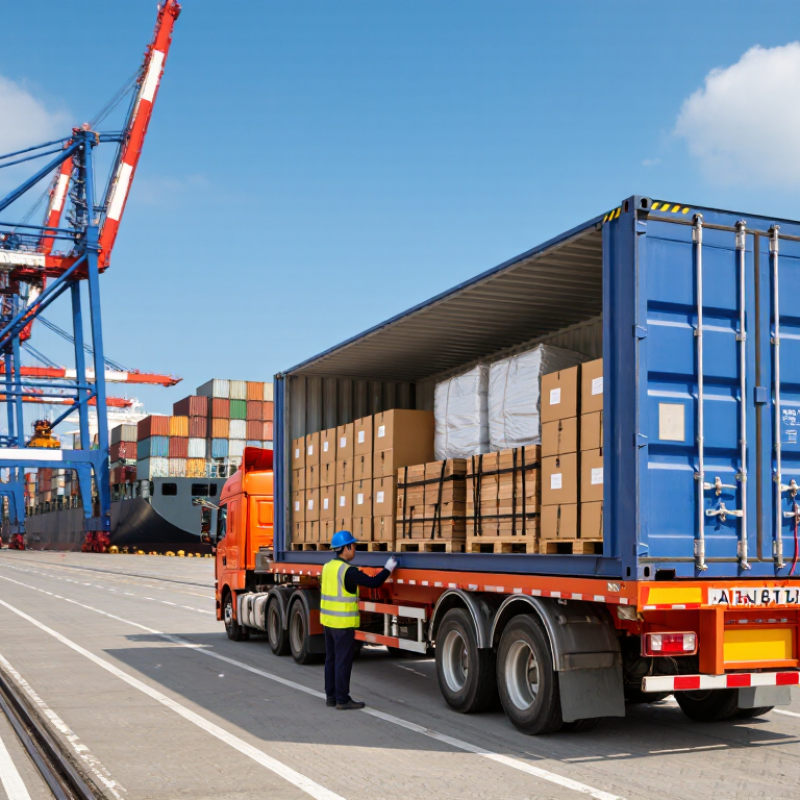
What Is Full Container Load Freight and How Does It Work?

What Full Container Load Freight Means

Full Container Load (FCL) freight means one shipper books the container itself, rather than sharing space with several consignments. The cargo may fill every corner. It may not. The key is exclusive use of the equipment and one planned movement. A standard 20-foot container suits dense cargo, while a 40-foot unit offers more volume. Weight limits still matter, especially for machinery, metal, and liquids.

The process begins with a booking and accurate cargo details. The shipper or forwarder arranges pickup, export documents, packing, sealing, and port delivery. The container then moves by vessel, rail, or truck before customs release and final delivery. A seal number connects the physical box with transport records. Small errors matter. Wrong dimensions can trigger rework, storage fees, or a rejected loading plan. In practice, FCL is a coordination system, not simply a larger shipping option.

FCL matters because maritime transport carries more than 80% of world merchandise trade by volume, according to UNCTAD’s Review of Maritime Transport 2024. UNCTAD also reported 12.3 billion tons of seaborne trade in 2023. These figures show scale, not guaranteed performance. Transit times can shift with port congestion, weather, blank sailings, and inland capacity. It is easy to assume FCL always reduces risk. That deserves a second look. If cargo is light, irregular, or urgently needed, unused space may weaken its value. A loading plan, photos, weight verification, and realistic delivery buffer improve reliability.

How FCL Shipping Works from Booking to Delivery

Full container load freight, or FCL, means one shipper uses an entire container for its cargo. The container may not be completely full. The key point is exclusive use. This arrangement usually offers better handling control and fewer shared-cargo transfers.

FCL shipping begins when the shipper requests a container and provides cargo details. These details include dimensions, weight, loading location, destination, and expected shipping date. Accurate information matters. Incorrect measurements can cause equipment problems, extra charges, or booking changes. The carrier then confirms the container type, schedule, transport route, and required documents. The shipper should also verify that the goods are properly declared and securely packed.

After booking, the empty container reaches the loading site. Workers inspect its floor, walls, doors, and odor before loading. Cargo is distributed carefully to reduce movement during rough seas. A seal is fitted after loading, and its number is recorded with the shipping documents. The container then travels to the terminal, where it passes through export procedures and is loaded onto a vessel. Delays happen. Weather, port congestion, or documentation errors can change the schedule.

At the destination, the container completes import clearance before delivery arrangements begin. A truck carries it to the receiving address, where the seal is checked and removed. The receiver should inspect visible damage immediately. After unloading, the empty container must return within the agreed period. FCL is efficient, but it is not automatically cheaper. A smaller shipment can make shared-container freight more practical.

What Is Full Container Load Freight and How Does It Work? - How FCL Shipping Works from Booking to Delivery

FCL Container Profiles and Typical Operating Characteristics
Container Type Approx. Internal Volume Typical Payload Capacity Common Cargo Uses Important Planning Consideration
20-foot standard dry container About 33 m³ Up to approximately 28,000 kg, subject to equipment and road limits Dense or heavy cargo, machinery, metal products, packaged materials Weight may be reached before the container is filled by volume
40-foot standard dry container About 67 m³ Up to approximately 26,000–27,000 kg, subject to equipment and road limits Cartons, furniture, retail goods, consumer products and palletized cargo Useful when cargo requires more floor space than weight capacity
40-foot high-cube dry container About 76 m³ Up to approximately 26,000–27,000 kg, subject to equipment and road limits Lightweight, bulky or high-volume cargo Provides additional internal height but may have route or terminal restrictions
Refrigerated container Typically less than an equivalent dry container Varies by equipment, cargo and temperature requirements Food, pharmaceuticals, chemicals and other temperature-sensitive goods Requires temperature settings, power availability and continuous monitoring
FCL Shipping Workflow: From Booking to Final Delivery
Stage What Happens Typical Time Range Main Documents or Data Primary Cost Drivers Key Control Point
1. Shipment planning The shipper confirms cargo volume, weight, commodity, origin, destination and required delivery date. 1–3 business days Cargo description, packing list, dimensions, weights and trade terms Cargo size, route, seasonality, special handling and service level Select a container type that satisfies both volume and weight limits
2. Freight quotation and booking A carrier or freight forwarder confirms sailing options, space, equipment availability, charges and cut-off dates. 1–3 business days Booking request, shipping instructions and requested sailing date Ocean freight, documentation fees, terminal charges, fuel and security surcharges Booking confirmation should show the vessel schedule and cargo cut-off
3. Empty-container release The empty container is collected from an authorized depot or terminal and moved to the loading location. 1–2 days, depending on availability Release reference, equipment type and collection instructions Trucking distance, chassis availability, depot fees and waiting time Inspect the container for cleanliness, damage, odor and watertight condition
4. Loading and securing Cargo is loaded, distributed by weight, secured and sealed. The container number and seal number are recorded. Several hours to 1 day Packing list, cargo photos, seal number and verified gross mass Loading labor, packaging, blocking and bracing, special equipment Weight must be distributed safely, and the verified gross mass must be submitted before loading
5. Export documentation and customs Export declarations and commercial documents are prepared, checked and submitted according to origin-country requirements. 1–5 business days Commercial invoice, packing list, export declaration, permits and origin information Brokerage, inspection, permits and government processing fees Commodity codes, values and descriptions must match across documents
6. Terminal gate-in and vessel loading The sealed container arrives before the terminal cut-off, is accepted into the terminal and is loaded onto the vessel. 1–3 days before departure Booking reference, container number, seal number and verified gross mass Terminal handling, drayage, storage and late-gate charges Missing the cut-off can cause roll-over to a later sailing
7. Ocean transportation The vessel transports the container between the origin and destination ports, sometimes through a transshipment hub. Approximately 7–35 days, route dependent Bill of lading, shipment milestones and arrival notices Route length, capacity, fuel, congestion, weather and transshipment Transit time is an estimate and does not include all inland or customs activities
8. Import clearance The importer or customs broker submits entry documents, pays applicable duties and taxes, and obtains release. 1–5 business days, sometimes longer Commercial invoice, packing list, bill of lading, permits and import entry Duties, taxes, brokerage, inspections, storage and demurrage Accurate classification and valuation help reduce customs delays
9. Port release and inland delivery After customs and terminal release, the container is collected and delivered to the consignee or unloading site. 1–3 days for local delivery; longer for inland destinations Delivery order, release notice, appointment details and proof of delivery Drayage, tolls, chassis, waiting time, storage and unloading services Arrange an unloading appointment and return the empty container within free time
10. Empty-container return and closure The empty container is returned to the designated location, and the shipment file is closed after charges and documents are reconciled. Same day to several days Equipment interchange receipt, delivery confirmation and final invoice Detention, damage, cleaning, repair and late-return charges Confirm the empty return location and free-time deadline before delivery
Note: Container dimensions, payload limits, transit times, free time and charges vary by equipment, port, route, customs authority and inland transport regulations. The figures above are general planning ranges rather than guaranteed service commitments.

Key Equipment and Documents Used in FCL Freight

What Is Full Container Load Freight and How Does It Work?

Key Equipment and Documents Used in FCL Freight

Full Container Load, or FCL, means one shipper uses an entire container. The cargo does not need to fill every cubic meter. This arrangement reduces handling because the container is usually sealed at the warehouse and opened at destination. UNCTAD’s Review of Maritime Transport 2024 expects global maritime trade to grow by about 2% in 2024, keeping container equipment and documentation under pressure.

The main equipment is straightforward. A 20-foot container suits dense cargo, while a 40-foot container offers more volume. High-cube units provide extra internal height. Temperature-sensitive cargo needs refrigerated equipment, with continuous temperature records. Shippers should inspect floors, doors, roof panels, and odor before loading. A rushed inspection can create an expensive dispute later.

The core documents include a commercial invoice, packing list, export declaration, and bill of lading. The verified gross mass, or VGM, confirms the container’s total loaded weight before vessel loading. Cargo details must match across every document. Small differences in carton counts can delay customs clearance. The World Bank’s Logistics Performance Index 2023 evaluates 139 economies and includes shipment tracking as a key logistics measure. That reflects a practical truth: visibility matters after the container leaves the warehouse. Electronic records help, but they are not perfect. Manual data entry still causes avoidable errors. A final document check, seal number, and loading photograph provide useful evidence when something goes wrong.

FCL Costs, Transit Times, and Pricing Factors

Full Container Load (FCL) means one shipper reserves an entire container, even when the cargo does not fill every corner. The container usually moves sealed from the origin warehouse to the destination facility. This reduces handling and may lower damage risk. However, FCL is not automatically cheaper. Many shippers find better value when cargo reaches roughly 15–20 cubic meters, depending on route and local charges.

FCL pricing includes ocean freight, terminal handling, documentation, customs processing, inland trucking, and sometimes fuel or peak-season surcharges. Equipment shortages, port congestion, exchange rates, and vessel availability can change the final quotation quickly. UNCTAD’s Review of Maritime Transport 2024 reported 2.4% growth in maritime trade during 2023. Rising demand can tighten capacity and lift spot rates. A low base rate can therefore hide expensive destination fees. Read every charge line.

Transit time depends on the port pair, sailing schedule, transshipment, and inland delivery. A direct route may take 25–35 days, while a transshipment route can take longer. UNCTAD also warned that diversions around Africa increase fuel use, vessel time, and insurance costs. The World Bank’s Logistics Performance Index 2023 shows substantial differences in customs, infrastructure, and delivery reliability between economies. A promised transit time is not a guarantee. Weather, blank sailings, or congestion can still disrupt planning. My practical view is imperfect: compare total landed cost, not only the ocean rate.

When Full Container Load Shipping Is the Best Choice

What Is Full Container Load Freight and How Does It Work?

Full Container Load (FCL) freight means one shipper uses an entire container for one shipment. The cargo does not need to fill every cubic meter. You pay for the container space, not each shared portion. A freight planner usually confirms the cargo volume, weight, dimensions, pickup location, destination, and delivery schedule. The shipper then packs and seals the container before transport. At the destination, the container is delivered for unloading.

When Full Container Load Shipping Is the Best Choice

FCL often suits shipments with enough cargo to use most of a container. It can also work when goods need fewer handling points. The sealed container reduces repeated loading and unloading. That may lower the risk of damage, loss, or mixed-cargo delays. Space matters. Timing matters.

FCL is especially practical for regular production shipments, seasonal inventory, or cargo with strict delivery requirements. A company moving 20 pallets may gain better control with one dedicated container. However, FCL is not automatically cheaper. A half-empty container can cost more than shared freight. This is where planning sometimes goes wrong. Compare the total cost, not only the ocean freight rate. Include inland transport, loading labor, storage, insurance, customs services, and possible demurrage charges. Cargo weight limits and container dimensions also require professional review. A reliable forwarder should explain assumptions in writing and flag uncertain charges before booking. The best choice depends on volume, handling sensitivity, schedule pressure, and destination infrastructure.

FAQS

What does Full Container Load freight mean?

One shipper uses an entire container for one planned movement. The cargo does not need to fill every corner.

Which container size suits different cargo?

A 20-foot container suits dense cargo, such as machinery or metal. A 40-foot container offers more volume.

What information is needed before booking?

Provide dimensions, weight, loading location, destination, cargo type, and preferred shipping date. Guessing creates problems.

How is cargo protected inside the container?

Workers inspect the floor, walls, doors, and odor first. They distribute cargo carefully and record the seal number.

Which documents are commonly required?

Typical documents include a commercial invoice, packing list, export declaration, bill of lading, and verified gross mass.

What happens from pickup to final delivery?

The empty container reaches the loading site. It moves by truck, rail, or vessel, then clears procedures before delivery.

Is FCL always cheaper than shared-container shipping?

No. A small or irregular shipment may leave too much unused space. Shared-container freight can be more practical.

Can FCL shipments face delays?

Yes. Port congestion, weather, document errors, and limited inland transport can change schedules. A realistic delivery buffer helps.

Why are seal numbers and loading photos important?

They connect the physical container with transport records. Photos can clarify loading conditions when damage or missing cargo becomes disputed.

What should the receiver check after delivery?

Check the seal, container exterior, and visible damage immediately. Return the empty container within the agreed period. Small oversights matter.

Conclusion

Full Container Load Freight (FCL) is a shipping method in which one shipper uses an entire container for its cargo, even when the container is not completely full. Because the goods usually remain sealed and are not combined with other customers’ shipments, FCL can provide better security, fewer handling points, and more predictable delivery. The process generally includes selecting the appropriate container, requesting a booking, preparing and packing the cargo, completing shipping documents, loading and sealing the container, transporting it to the port, and arranging customs clearance and final delivery.

FCL costs depend on container size, cargo weight and volume, origin and destination, fuel prices, port charges, documentation, inland transportation, and seasonal demand. Transit times vary according to the route, schedules, port congestion, and clearance procedures. Common equipment includes standard dry containers, refrigerated units, and specialized containers for suitable cargo. FCL is often the best choice for large shipments, valuable goods, time-sensitive deliveries, or cargo that requires privacy, reduced handling, and stronger control throughout transportation.

Ethan

Ethan

Ethan is a professional marketing specialist with a strong understanding of the company’s products, services, and customer needs. Through a combination of market insight, clear communication, and practical industry knowledge, he helps present complex solutions in a straightforward and valuable way.......