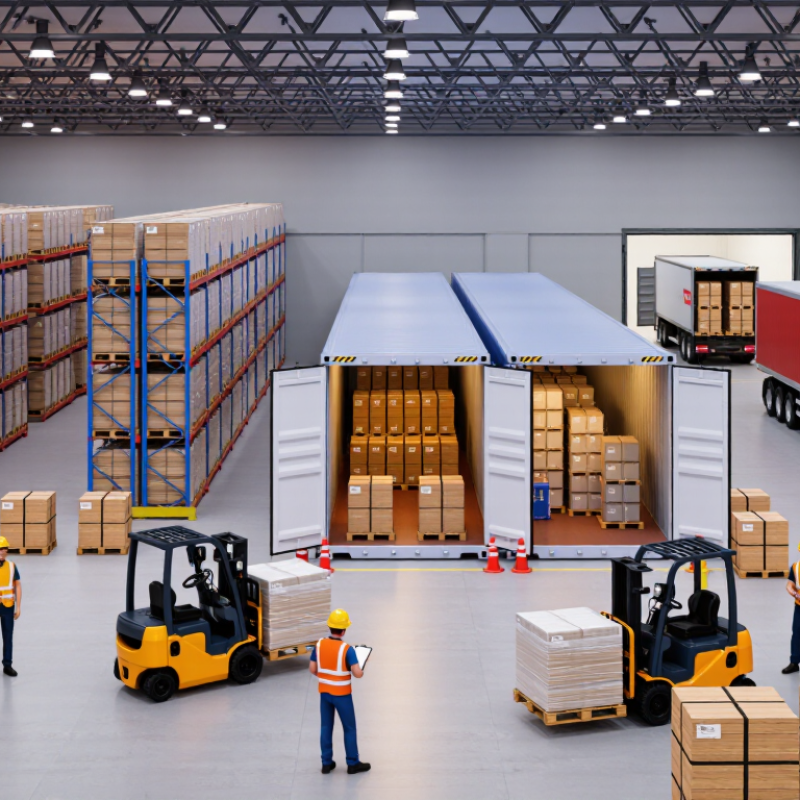
What Is Less Than Container Load Shipping? The answer begins at the warehouse floor, not the ocean terminal. Less Than Container Load Shipping, or LCL, combines cargo from several shippers inside one shared container. A small shipment may occupy two pallets, three crates, or only a few cubic meters. The forwarder consolidates these shipments, manages documentation, and separates them at the destination warehouse.
This model matters when a full container would leave expensive empty space. The World Bank’s Logistics Performance Index 2023 shows that shipment reliability remains uneven across countries. That difference can affect LCL schedules, warehouse handling, and delivery promises. UNCTAD’s Review of Maritime Transport 2024 reported that maritime trade grew by 2.4% in 2023 and expected further growth in 2024. More cargo does not automatically mean smoother consolidation. Congestion still happens.
Lars Jensen, CEO of Vespucci Maritime, describes container shipping as “a very cyclical industry.” His observation also fits LCL planning. Rates, capacity, and port performance can change quickly. A shipment that looks economical on paper may lose its advantage after handling fees, destination charges, storage, and customs-related delays. That is the uncomfortable part.
LCL is useful. It is not always cheaper.
This guide explains how Less Than Container Load Shipping works, where costs arise, and when a full container may provide better control. It also examines transit times, cargo protection, consolidation risks, and practical booking decisions. Readers should treat published averages as guidance, not promises. Routes differ. So do seasons, ports, carriers, and handling standards.
What Is Less Than Container Load Shipping?
Definition of Less Than Container Load Shipping
Less Than Container Load (LCL) shipping is a method for transporting cargo that does not fill an entire container. Several importers share the same container space, while each shipment remains separately documented and handled. A freight forwarder usually collects individual cartons or pallets, consolidates them at a warehouse, and sends them to the destination port. After arrival, the container is unloaded and each shipment is separated for delivery.
This option suits smaller shipments, such as six cartons of machine parts or two pallets of packaged goods. Charges commonly depend on cargo volume, weight, handling, and the route. LCL can reduce the need to pay for unused container space. It is not always cheaper, though. Multiple handling points may increase transit time and create more opportunities for damaged packaging. Space is shared. Details matter. From practical shipping work, accurate carton dimensions often prevent billing disputes and warehouse delays. A small measurement error can become an expensive correction.
Tips: Use strong outer cartons, clear labels, and consistent package counts. Ask for the estimated consolidation and deconsolidation locations before booking. Confirm whether pickup, terminal handling, documentation, and final delivery are included in the quotation. Photograph pallets before handover. This simple record helps resolve questions later. Also, leave realistic time for inspections and transfer schedules. LCL planning is sometimes treated as a quick alternative, but that assumption deserves review when delivery timing is critical.
Less Than Container Load (LCL) shipping is used when a shipment does not fill an entire freight container. A common operational guideline considers cargo below approximately 15 cubic meters (CBM) suitable for LCL, although the practical cutoff varies by carrier, route, cargo type, and consolidation schedule. The comparison uses approximate internal volumes for common container types.
Less than Container Load (LCL) shipping moves smaller cargo by sharing container space with other exporters. It suits shipments that cannot fill a full container. UNCTAD’s Review of Maritime Transport 2024 states that over 80% of global merchandise trade moves by sea. LCL uses that network efficiently, but it adds handling points.
The process begins with accurate cargo details. Provide dimensions, weight, package count, commodity description, pickup address, and delivery location. A forwarder then calculates the chargeable volume, often using cubic meters or weight, depending on the tariff. The cargo is booked and collected, then delivered to a container freight station. Staff inspect the packages, measure them, prepare export documents, and consolidate several shipments into one container. Export clearance follows. The container then moves to the port and sails to its destination.
At the destination, the container reaches another freight station. Workers separate each shipment, while customs authorities review the import documents. After clearance, the cargo is released for local delivery. UNCTAD reported that maritime trade grew by 2.4% in 2023, showing continued pressure on ports and inland transport. Delays can occur at any handoff. A small measurement error can also change the freight charge. That is easy to underestimate. Careful packaging, readable labels, and consistent documents reduce avoidable problems, although they cannot remove every delay.
Less than Container Load, or LCL, lets several shippers share one sea container. Each shipment occupies part of the available space. Cargo is measured by volume, weight, and handling needs. A small shipment may leave a warehouse in two cartons and arrive after several consolidation steps. That flexibility helps businesses avoid paying for unused container space. However, LCL usually involves more loading, unloading, and document checks. Transit times can therefore be less predictable.
Full Container Load, or FCL, uses one container for one shipper’s cargo. The container may be sealed at the supplier’s facility and opened at the destination. This reduces handling between ports. FCL often offers better protection for fragile goods, especially when the cargo nearly fills the container. It can also provide a clearer sailing schedule. The drawback is simple: paying for a full container may cost more when shipment volume is low.
The practical choice depends on volume, urgency, cargo sensitivity, and total landed cost. LCL may suit a few pallets, but warehouse teams should measure every carton carefully. Small measurement errors can change the freight charge. FCL becomes more reasonable when goods fill much of a standard container or require extra security. Yet “full” does not always mean efficient. Poor stacking can waste space. I have seen planning estimates fail because packaging dimensions were treated as exact. A written packing plan, realistic delivery window, and confirmed chargeable volume make either option more reliable.
What Is Less Than Container Load Shipping?
Costs, Transit Times, and Common Fees
Less than container load, or LCL, shipping suits cargo that cannot fill a full container. Your cartons share space with other shipments. A consolidator combines them at a warehouse, then separates them near the destination. This method can reduce costs for smaller orders, but it adds handling steps. It is not always the cheapest choice.
LCL pricing usually depends on cargo volume, weight, origin, destination, and shipment type. Carriers may charge by cubic meter or chargeable weight. Ocean freight is only one part of the bill. Expect possible fees for export documents, cargo consolidation, warehouse handling, terminal processing, customs clearance, and final delivery. Some quotes include these services. Others do not. Read the inclusions carefully.
Transit times often exceed full-container shipping. Cargo may wait for consolidation before sailing. It may also face delays during unloading and deconsolidation. A typical ocean journey can take several weeks, but port schedules change. Weather, inspections, congestion, and incomplete paperwork can extend delivery. Build a buffer into your customer promise. A cheap quote can become expensive when storage fees begin. This is easy to overlook.
Use precise carton dimensions and verified weights when requesting a quote. Ask whether charges are prepaid or collected at destination. Confirm free storage days, delivery terms, and the fee schedule in writing. Compare the total landed cost, not just the ocean rate. Small errors in measurements can distort the estimate. Recheck them.
What Is Less Than Container Load Shipping?
Less than container load (LCL) shipping moves several customers’ cargo inside one shared container. A freight forwarder consolidates the shipments, manages documentation, and separates them at the destination. For small exporters, LCL avoids paying for unused container space. A few cartons may be enough. The main advantage is flexibility, especially when inventory is limited or demand is uncertain. Shared transport can also reduce storage pressure and support regular, smaller deliveries. However, LCL usually involves more handling than full-container shipping. Transit times may change when consolidation schedules do not align.
LCL has clear limitations. Cargo can be loaded and unloaded several times, increasing the risk of crushed corners, moisture exposure, or misplaced labels. Delays may occur at warehouses, terminals, or customs checkpoints. Charges can also be confusing. Terminal fees, documentation costs, and destination handling may reduce the expected savings. Suitable cargo usually includes durable, non-perishable goods packed in strong cartons, crates, or pallets. Machinery parts, household items, samples, and moderate-volume stock often fit this method. Very fragile, oversized, temperature-sensitive, or extremely valuable cargo may need tighter control.
Tips: Measure every package accurately before requesting a quote. Record length, width, height, weight, and package count. Use corner protection and moisture barriers. Ask how cargo is tracked after consolidation. I would compare the complete landed cost, not only the ocean rate. The cheapest quote is not always the safest choice. Sometimes, a slightly higher price buys clearer handling and fewer surprises. Still, forecasts can be wrong, so review the shipping plan after each delivery.
LCL shipping lets several exporters share one sea container. Each shipment uses part of the available space. It suits a few cartons or pallets. Shared space means extra handling.
You provide dimensions, weights, package counts, cargo details, and addresses. The shipment is collected and taken to a freight station. Workers inspect, measure, document, and consolidate it. After export clearance, the container sails. At destination, workers separate cargo before customs review and local delivery.
Provide carton length, width, height, weight, quantity, cargo description, pickup address, and delivery location. Mention unusual handling needs. A small measurement error can matter. Recheck every carton.
Charges may use cubic meters or chargeable weight. Rates also depend on origin, destination, cargo type, and services. Other costs may include documents, warehouse handling, terminal processing, customs clearance, and delivery. Ocean freight is not the whole bill.
No. LCL can reduce costs when cargo leaves much container space unused. Handling and local fees may narrow the difference. Compare total landed cost. A low ocean rate can mislead.
LCL often takes longer than full-container shipping. Cargo may wait for consolidation, unloading, and separation. Ocean transport can last several weeks. Congestion, weather, inspections, or missing paperwork can add time. Leave a buffer.
A full container may suit cargo that fills much of the container. It can reduce handling and protect sensitive goods. It may offer a clearer sailing schedule. But poor stacking can waste space. “Full” is not automatically efficient.
Use strong packaging, readable labels, and matching documents. Measure cartons after packing, not from an old spreadsheet. Confirm included services, storage days, delivery terms, and destination fees in writing. Small mistakes happen. Review the quote twice.
Less Than Container Load Shipping (LCL) is a freight method in which multiple shippers share space inside one container because their individual shipments do not fill it. Instead of paying for an entire container, each shipper pays according to the cargo’s volume or weight. The process generally includes booking space, preparing and labeling the goods, delivering them to a consolidation warehouse, combining them with other shipments, transporting the container, and separating the cargo at the destination before final delivery.
Compared with Full Container Load shipping, LCL can reduce costs for small or irregular shipments, although it may involve longer transit times because of consolidation and deconsolidation. Expenses can include transportation charges, warehouse handling, documentation, customs processing, and destination delivery fees. LCL is suitable for palletized goods, samples, equipment, and other non-urgent cargo that can be securely packed. Its main limitations are increased handling, a greater risk of delays or damage, and less control over the container schedule, making FCL preferable for large, time-sensitive, or highly sensitive shipments.