 English
 Español English Español

Direct door-to-door, DDP logistics, customs brokerage, and specialized containerized freight routes connecting China to Global Trade Hubs.
Streamlined DDP ocean & air freight from primary Chinese origin ports to Manzanillo, Lazaro Cardenas, and Mexico City with full duty management.

High-priority Full Container Load (FCL) shipping directly to Los Angeles, Long Beach, and Miami with real-time GPS container tracking.
Certified hazardous material (Hazmat) and battery transportation via specialized air freight routes with compliant UN packaging validation.
End-to-end supply chain management including factory consolidation, warehousing, maritime insurance, and seamless final-mile fulfillment.
Automated ISF 10+2 entry, HTS code auditing, Section 301 tariff mitigation, and bonded warehouse transfers across North American entry ports.
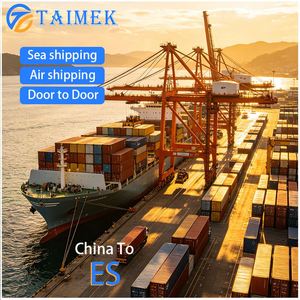
Dedicated Mediterranean sea freight route with customs clearance at Barcelona/Valencia, custom pallet labeling, and EU-wide distribution.
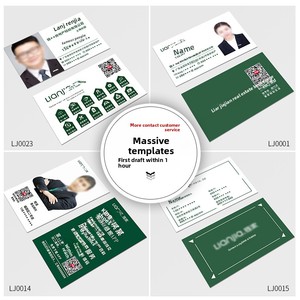
Customized trade documentation, bill of lading issuance, standardized shipping marks, and corporate logistic identification assets for global trading entities.
China-Europe Railway Express (Yiwu/Chongqing to Duisburg/Hamburg) combined with fast EU customs clearance and last-mile truck dispatch.
As an established, FMC-licensed Non-Vessel Operating Common Carrier (NVOCC) and licensed U.S. Customs Brokerage, our global freight platform provides enterprise buyers with direct carrier volume contracts, Foreign Trade Zone (FTZ) warehousing in Miami, and end-to-end control across Asia-Americas-Europe supply corridors.
The global bulk shipping and freight forwarding landscape is undergoing a structural transformation driven by decarbonization mandates, supply chain regionalization, and deep digital integration. Procurement teams sourcing industrial goods, machinery, consumer electronics, and raw materials from Chinese manufacturing hubs must adapt to three macroeconomic shifts shaping ocean and air cargo logistics over the next decade.
1. Decarbonization & Green Corridor Compliance (IMO 2030/2050): The International Maritime Organization (IMO) carbon intensity indicators (CII) and the European Union Emissions Trading System (EU ETS) expansion have forced ocean carriers to overhaul container fleet operations. Shippers sourcing bulk commodities from China to Europe or North America are now evaluated on Scope 3 carbon transparency. Modern freight forwarders are responding by introducing dual-fuel LNG/methanol vessel bookings, bio-fuel offset programs, and route optimization algorithms that minimize fuel burn per Twenty-Foot Equivalent Unit (TEU).
2. Digitalization of Maritime Documentation: Traditional paper Bills of Lading (B/L) and manual customs filings are rapidly being replaced by electronic Bills of Lading (eBL) operating on secure distributed ledger networks. This transition reduces document transit times from weeks to minutes, virtually eliminating port demurrage caused by delayed paperwork. Automated customs clearance integrations—such as U.S. Customs and Border Protection's ACE portal and European ICS2 systems—allow real-time cargo risk assessment before vessels clear Chinese territorial waters.
3. Rise of Multi-Modal Sea-Rail-Road Corridors: To hedge against maritime chokepoint disruptions (e.g., Red Sea rerouting around the Cape of Good Hope, Panama Canal draft restrictions), global supply chains are leveraging hybrid corridors. The China-Europe Railway Express (Yiwu/Chongqing to Duisburg) and the New International Land-Sea Trade Corridor in Western China provide alternative transit options that combine ocean feeder networks with overland block trains, reducing lead times by up to 40% compared to traditional all-water voyages.
For enterprise buyers purchasing in bulk from Chinese manufacturers, logistics is no longer merely an operational expense—it is a core determinant of landed margin competitiveness. Forward-thinking procurement managers are shifting away from traditional spot-market ocean bookings toward structured supply chain agreements that incorporate risk mitigation, duty deferral, and DDP (Delivered Duty Paid) price transparency.
A. Strategic Adoption of DDP (Delivered Duty Paid) Terms: Historical procurement models relied heavily on FOB (Free on Board) terms, placing the burden of ocean transit, customs clearance, and inland drayage on the destination buyer. In today's volatile regulatory environment, enterprise buyers increasingly demand DDP terms. Under DDP, the logistics provider assumes full responsibility for origin pickup, export documentation, international freight, destination customs duties, local taxes (VAT/GST), and final-mile delivery. This transfers transit risk away from the importer and locks in guaranteed unit landed costs prior to vessel departure.
B. Nearshoring & Hub-and-Spoke Warehousing Strategy: To counteract tariff fluctuations and geopolitical shifts, buyers are combining China bulk manufacturing with strategic hub-and-spoke distribution. By utilizing Foreign Trade Zone (FTZ) warehousing in primary gateways like Miami, companies import bulk inventory from Ningbo, Shanghai, or Shenzhen into a duty-deferred status. Duties are paid only when merchandise is dispatched into the domestic U.S. market, while goods destined for Latin America or the Caribbean are re-exported completely tax-free.
| Transport Mode | Typical Transit Time (China to US/EU) | Cost per CBM / KG | Best For (Cargo Profile) | Customs & Risk Factor |
|---|---|---|---|---|
| Ocean Freight (FCL) | 14 - 28 Days | Lowest (Bulk Volume) | High-volume containerized cargo, heavy machinery, raw materials | Low risk; standard ISF & Manifest rules apply |
| Ocean Freight (LCL) | 18 - 32 Days | Moderate (Per CBM) | Medium orders (3 to 15 CBM) not filling a full 20ft container | Requires consolidation at CFS; risk of minor unpacking delays |
| China-EU Railway Express | 14 - 18 Days | Medium-High | Time-sensitive industrial components moving China to Europe | Crosses multiple borders; automated transit rail customs |
| International Air Freight | 3 - 7 Days | High (Per KG) | High-value electronics, medical devices, urgent seasonal replenishment | Strict airport TSA/IATA screening & immediate customs clearance |
| Air Express (Hazmat / DG) | 3 - 5 Days | Premium | Lithium batteries, chemical samples, classified hazardous goods | Requires certified UN packaging & dangerous goods declaration |
How our enterprise infrastructure mitigates supply chain exposure across global trade channels.
Dedicated chassis equipment fleet and bonded truck drivers ensuring rapid container drayage from marine terminals to regional distribution centers without demurrage penalties.
Inquire NowLicensed customs brokers review product technical specifications to assign correct Harmonized Tariff Schedule (HTS) codes, identifying duty reductions and Section 301 exemptions.
Inquire NowCombine goods from multiple suppliers across Shenzhen, Ningbo, and Shanghai into single FCL containers to dramatically lower freight per unit costs.
Inquire NowKey operational and legal guidance for international buyers purchasing bulk manufactured products from China.
A Non-Vessel Operating Common Carrier (NVOCC) is an ocean transportation intermediary licensed by maritime regulatory authorities (such as the U.S. Federal Maritime Commission). Unlike standard freight brokers, an NVOCC issues its own Bills of Lading, assumes carrier liability, and negotiates volume-based master service contracts directly with ocean container lines. Booking through an NVOCC grants individual buyers access to tier-1 contract rates, flexible carrier switching, and guaranteed vessel space allocations during peak supply chain congestion.
Under FOB (Free on Board), the buyer takes control of cargo once loaded onto the vessel in China and must arrange international freight, destination customs clearance, duty payment, and local trucking. Under DAP (Delivered at Place), the seller pays freight to destination but the buyer clears customs and pays import tariffs. Under DDP (Delivered Duty Paid), the logistics provider handles the complete supply chain: origin pickup, export customs, ocean/air transport, destination customs brokerage, duty/tax settlement, and final warehouse delivery, presenting a single invoice with total price certainty.
U.S. Customs and Border Protection (CBP) requires: 1) Importer Security Filing (ISF 10+2) submitted at least 24 hours prior to cargo loading at China origin port; 2) Commercial Invoice detailed by HTS code; 3) Packing List with gross weights and dimensions; 4) Ocean Bill of Lading (B/L); and 5) Customs Bond (Single Entry or Continuous). Shipments containing regulated items (food, medical equipment, cosmetics, electronics) also require partner agency filings via FDA, USDA, or FCC.
A Foreign Trade Zone (FTZ) is a secure, duty-free area considered outside U.S. customs territory. Goods imported into an FTZ can be stored, repackaged, assembled, or manipulated without paying customs duties. Duties are deferred until goods enter the domestic market. If products are re-exported to international destinations (e.g., Latin America or Canada), U.S. import duties are completely eliminated. Furthermore, weekly entry procedures within an FTZ allow importers to pay a single Merchandise Processing Fee (MPF) per week rather than per shipment, resulting in significant administrative savings.
As a general industry benchmark, Less than Container Load (LCL) is cost-effective for cargo volumes under 13 to 15 Cubic Meters (CBM). Once total shipment volume reaches 15 CBM or higher, booking a 20-foot Full Container Load (FCL) typically yields a lower freight cost per unit, even if the container is not 100% full. Additionally, FCL cargo is sealed at the manufacturer's factory and remains untouched until reaching the destination warehouse, significantly reducing handling risk and potential port delays.
Demurrage and detention fees occur when containers remain at port terminals past allowed free-time days. Prevention requires: 1) Pre-clearing customs via advance document audit prior to vessel arrival; 2) Pre-booking port drayage trucking capacity 5 to 7 days before discharge; 3) Ensuring destination warehouses are ready to unload containers immediately; and 4) Utilizing NVOCC contracts that include extended free time (e.g., 10 to 14 days free time at destination ports).
Connect with our senior freight logistics specialists for a comprehensive freight rate analysis, customs tariff audit, and tailored DDP door-to-door quote.