 English
 Español English Español

Empowering global buyers with frictionless DDP door-to-door delivery, optimized tariff mitigation, and automated customs compliance across major trade lanes.

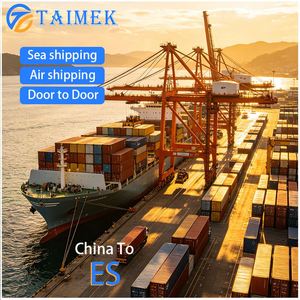
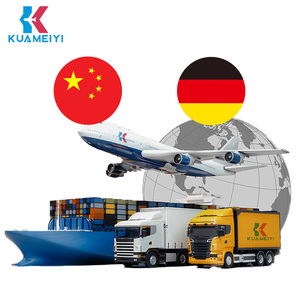
Navigating complex international customs regulations requires a licensed, vertically integrated logistics partner. We combine NVOCC carrier buying power with licensed customs brokerage leverage.
As a licensed Non-Vessel Operating Common Carrier, we issue our own House Bills of Lading (HBL) and secure preferential tier-1 contract rates across ocean lines including COSCO, MAERSK, CMA CGM, and ONE.
Our logistics management software interfaces directly with U.S. Customs and Border Protection’s Automated Commercial Environment (ACE), enabling Instant Remote Location Filing (RLF) and rapid release.
Leverage our secure Miami Foreign Trade Zone operations to legally defer, eliminate, or reduce duty payments on goods stored or re-exported across Latin America and North America.
The global cross-border procurement landscape is undergoing a structural paradigm shift. Importers sourcing from China factories face heightened regulatory scrutiny, dynamic tariff adjustments (such as Section 301 duties), and strict enforcement of trade compliance standards like the Uyghur Forced Labor Prevention Act (UFLPA) and Anti-Dumping/Countervailing Duties (AD/CVD). Securing a competitive advantage requires moving beyond transactional freight forwarding to an integrated Compliance-First Supply Chain Architecture.
Traditional FOB (Free on Board) procurement leaves buyers vulnerable to unpredictable ocean demurrage, port storage fees, unexpected customs exams (CBP Intensive Examinations), and fluctuating brokerage charges. By utilizing customized Delivered Duty Paid (DDP) protocols managed by an experienced NVOCC, buyers lock in all-inclusive landed costs prior to vessel departure.
Furthermore, enterprise importers utilizing Foreign Trade Zone (FTZ) warehousing can take advantage of inverted tariff relief. When raw components imported from China carry higher HTS duty rates than the finalized assembled product, holding inventory in an FTZ allows importers to pay customs duty based on the lower finished product rate upon domestic market entry, permanently saving millions in capital outlay.
Customs holds and hold-up fines stem primarily from documentation errors at the port of loading. A robust compliance framework requires strict verification of five foundational entry documents before cargo loading:
Expert technical answers addressing critical procurement hurdles, duty calculations, and cross-border shipping mechanisms.
A Non-Vessel Operating Common Carrier (NVOCC) is officially licensed by maritime authorities (such as the U.S. Federal Maritime Commission) to act as a carrier. Unlike standard booking agents, an NVOCC issues its own House Bill of Lading, assumes carrier liability, and holds direct volume contract rates with major ocean vessel lines. This grants buyers tier-1 vessel space guarantees, lower freight costs, and unified accountability during customs holds.
Under Delivered Duty Paid (DDP) terms, the logistics partner assumes complete responsibility for shipping costs, export/import customs clearance, applicable duties, local taxes, and final door delivery. If customs conducts an intensive inspection or if port congestion causes container detention, the DDP logistics architect manages the compliance remediation, protecting the buyer from unforeseen financial surcharges.
Goods brought into a Foreign Trade Zone (FTZ) are legally considered outside U.S. customs territory. Importers benefit from Duty Deferral (duties are paid only when goods enter domestic commerce), Duty Elimination (no duties are paid on goods re-exported to Latin America or Canada), and Weekly Entry Savings (consolidating multiple shipments into one single weekly entry fee, reducing customs processing administrative costs).
Shipping dangerous goods requires UN-approved hazardous material packaging, dangerous goods declarations (DGD), and certified MSDS sheets in both English and Chinese. Our specialized air and ocean freight desks coordinate directly with certified hazmat handlers at origin ports (Shanghai, Shenzhen, Hong Kong) to verify compliance with IATA and IMO Dangerous Goods Regulations prior to cargo tendering.
For Mexico, imports require an active importer registry (Padrón de Importadores), official NOM (Normas Oficiales Mexicanas) safety compliance certificates, and a valid RFC tax ID for DDP clearance. For the European Union, an EORI (Economic Operators Registration and Identification) number, precise HS classification, and EU VAT tax registration are mandatory for duty-deferred clearance at ports like Barcelona or Hamburg.