 English
 Español English Español
Explore our specialized solution portfolio designed to streamline transloading, customs brokerage, and door-to-door distribution from manufacturing hubs to destination markets.
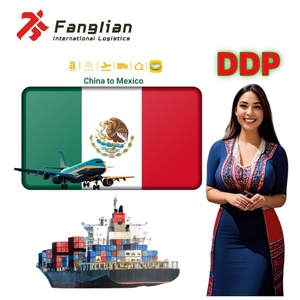
End-to-end DDP transloading solution seamlessly connecting Chinese manufacturing centers with Mexican import hubs via rapid customs brokerage.
Contact Us
High-priority Full Container Load (FCL) cross docking with active real-time GPS tracking and pre-cleared US Customs entry.
Contact Us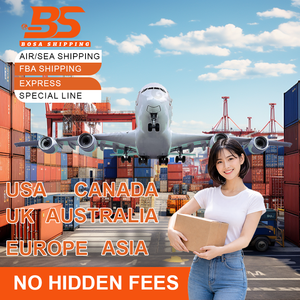
Specialized hazardous cargo transloading and expedited air freight clearance compliant with international hazmat logistics standards.
Contact Us
Comprehensive cross-dock consolidation combining ocean economy with air speed for direct-to-warehouse global distribution.
Contact Us
Bespoke supply chain arrangements incorporating bonded storage, zero-delay transloading, and North American door delivery.
Contact Us
Direct ocean delivery to Barcelona Port featuring rapid turnarounds, SKU re-labeling, pallet splitting, and EU-wide distribution.
Contact Us
Industrial-grade cross-dock facility operations specialized in rapid inbound deconsolidation, barcode re-mapping, and custom packaging.
Contact Us
Cost-efficient land bridge and ocean cross docking engineered for high-volume enterprise shipments across the European continent.
Contact UsIn an dynamic global trade landscape, traditional warehousing models that rely on long-term storage generate capital friction, elevated holding costs, and unnecessary touchpoints. As a premier custom OEM cross docking factory and supplier, our operational architecture eliminates the traditional warehouse middleman.
Our strategically situated ocean port facilities swiftly unload inbound ocean containers (FCL) and consolidated shipments (LCL). Cargo is scanned, inspected, and verified against master purchase orders in under 120 minutes from gate-in.
We provide full-scale OEM compliance modification. From custom barcode application, Amazon FBA prep, and inner carton compliance labeling to buyer-specific pallet configurations, goods are prepped for immediate outbound dispatch.
Bypassing long-term put-away, outbound trucks, rail cars, or regional delivery fleets are loaded directly from the receiving bay. This JIT approach shrinks lead times by up to 8 days while radically compressing working capital requirements.
Quantifiable operational advantages of integrating a custom OEM cross dock facility into your international procurement network.
| Performance Metric | Traditional Warehousing Model | OEM Cross Docking Supply Chain | Impact on Enterprise ROI |
|---|---|---|---|
| Order Lead Time | 7 - 14 Days (Storage & Put-away) | 6 - 24 Hours (Direct Transload) | 85% Faster Order Fulfillment |
| Inventory Holding Cost | High (Carrying cost 18%-25%/yr) | Near Zero (Immediate Flow-through) | Direct Working Capital Relief |
| Handling Touchpoints | 6 - 8 Touches (Unload, Store, Pick, Pack) | 2 Touches (Unload to Outbound Truck) | 70% Lower Damage Risk |
| Customs Duty Strategy | Paid upon arrival at port entry | Deferred via FTZ & Bonded Dock | Optimized Cash-Flow Timing |
| Facility Footprint Needs | Requires vast warehouse storage square footage | High-velocity staging bays | Reduced Overhead Expenses |
Analysis of technological shifts, macroeconomic re-alignments, and regulatory evolutions reshaping enterprise sourcing strategy.
Global buyers are aggressively diversifying away from single-source manufacturing. The rapid growth of the China-Mexico-USA trade corridor highlights the rise of multi-node cross-dock hubs. Enterprise procurement teams utilize cross docking factories in Mexico and Miami to aggregate components originating from Asian factories, perform final OEM packaging, and deploy consolidated loads across North America under USMCA preferential tariff terms.
Next-generation OEM cross-dock operations rely on automated high-speed sorters, AI optical character recognition (OCR), and machine vision quality checks. Inbound pallets are scanned on automated roller conveyors, verifying dimensions, weight, barcode legibility, and physical carton integrity without human intervention, ensuring zero-error transloading into destination trucks.
With escalating global tariffs and volatile geopolitical dynamics, combining cross docking with Foreign Trade Zones (FTZ) has become an imperative for financial agility. Modern facilities allow global buyers to admit goods outside customs territory, perform OEM kitting, labeling, and consolidation, and re-export to secondary international markets without triggering customs duties.
Regulatory mandates and corporate sustainability goals are turning logistics into a primary decarbonization lever. Advanced cross docking leverages intelligent load-building algorithms to maximize container volumetric fill rates (averaging >95%). By eliminating empty miles and unnecessary drayage movements between off-site warehouses, carbon emissions per unit are cut by up to 28%.
Combining the scale of a licensed Non-Vessel Operating Common Carrier (NVOCC) with a dedicated logistics infrastructure across Miami, China, Mexico, Panama, and Venezuela, we deliver end-to-end operational authority. We provide global buyers with single-point accountability—eliminating friction between ocean freight carriers, customs brokers, and warehouse operators.
We issue our own House Bills of Lading (HBL) and maintain tier-one volume contracts across global ocean shipping alliances. Access priority container allocation and competitive contract rates on high-volume lanes.
Eliminate costly customs holds. Our licensed customs brokers handle complex Harmonized Tariff Schedule (HTS) classification, ISF 10+2 pre-filings, PGA permits (FDA, USDA, EPA), and customs entry clearance before cargo arrives at port.
Operating dedicated cross-dock facilities in Miami, Florida—the gateway to Latin America and North America—and primary Asian ports, we ensure control over global trade flows.
Detailed technical and operational guidance addressing common procurement inquiries regarding OEM cross docking, duty deferral, and freight handling.
Consult with an OEM cross docking specialist today to analyze your route, evaluate duty deferral strategies, and optimize your landed costs.