 English
 Español

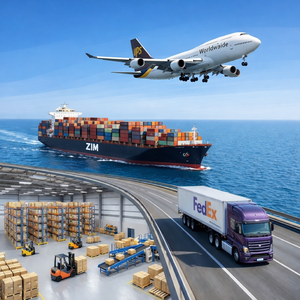
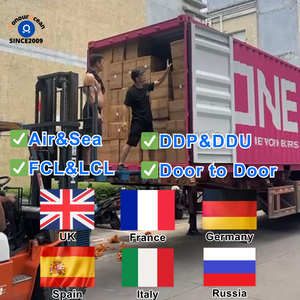
Executive Summary: Navigating China’s transport manufacturing clusters requires more than freight booking—it demands an integrated supply chain architecture combining factory-gate consolidation, licensed NVOCC ocean contracts, automated customs brokerage, and bonded Foreign Trade Zone (FTZ) deferral mechanisms to systematically mitigate geopolitical and tariff friction.
1. The Industrial Landscape of China Freight Transport Factories & Manufacturing Hubs
China's global dominance as the manufacturing engine of the world is underpinned by an unprecedented logistics infrastructure network. When sourcing freight services, container hardware, specialized transport equipment, or turnkey door-to-door forwarding from Chinese factories, enterprise procurement teams must analyze the regional specializations of key logistics corridors across the country.
The manufacturing and export of freight transport equipment—ranging from ISO dry van containers, reefer units, and intermodal chassis to heavy industrial machinery transport vehicles—is concentrated in high-density industrial clusters. Understanding these geographical hubs enables supply chain managers to minimize inland drayage expenses and optimize origin handling times:
- Pearl River Delta Hub (Guangdong Province - Shenzhen, Guangzhou, Foshan): Specialized in high-tech electronics shipping, fast-fulfillment e-commerce logistics, cross-border courier warehousing, and containerized transport accessories. Major export portals include Yantian Deepwater Terminal and Nansha Port.
- Yangtze River Delta Hub (Shanghai, Ningbo-Zhoushan, Jiangsu): The global nexus for heavy industrial machinery transport, ISO tank container manufacturing, and mega-vessel ocean freight operations. Ningbo-Zhoushan leads the world in annual cargo throughput, serving as a vital ocean gateway for inland manufacturing factories in Zhejiang and Anhui.
- Bohai Rim Bay Area (Qingdao, Tianjin, Dalian): Crucial for specialized bulk transport, cold-chain logistics equipment, and transcontinental railway freight corridors connecting China directly to Central Asia and Eastern Europe via the New Eurasian Land Bridge.
Factory-Direct Sourcing
Direct integration with certified Chinese transport equipment manufacturers ensures rigorous ISO quality standards and structural compliance for intermodal containers and transport hardware.
NVOCC Rate Safeguards
Licensed Non-Vessel Operating Common Carriers (NVOCC) bypass speculative spot rate volatility by utilizing long-term volume service contracts with top tier-1 ocean vessel operators.
Multimodal Express Corridors
Synergistic combination of Ocean FCL/LCL, China-Europe Rail Express, and direct air charters designed to dynamically balance landed cost against lead time constraints.
2. Transport Mode Selection Matrix: Financial & Operational Comparison
Selecting the optimal transport modality when procuring goods from China requires balancing cargo density, total shipment value, seasonal peak surcharge variables, and final destination regulatory demands. The matrix below outlines standard benchmark operational profiles across major international shipping modes:
| Logistics Mode | Typical Transit Time (China to US/EU) | Ideal Volume / Weight | Cost Efficiency Structure | Customs Risk Profile |
|---|---|---|---|---|
| Ocean Freight FCL (20' / 40' HQ) | 18 – 35 Days | > 15 CBM / Full Containers | Highest cost efficiency per unit volume | Low (Sealed container, single importer) |
| Ocean Freight LCL (Consolidated) | 22 – 40 Days | 1 CBM – 14 CBM | Economical for small-to-medium batches | Moderate (Shared container clearance dependencies) |
| China-Europe Rail Express | 12 – 18 Days | > 2 CBM / Industrial Cargo | Mid-tier (Cheaper than Air, faster than Ocean) | Streamlined overland transit checkpoints |
| Air Cargo (Standard / Express) | 3 – 8 Days | High Value / < 500 kg | High cost per kg, ideal for urgent inventory | Fast automated airport release handling |
| DDP Door-to-Door Courier | 5 – 10 Days | Parcel / Sample Shipments | All-inclusive flat rate per kg | Turnkey pre-paid duties by logistics provider |
3. Procurement & Supply Chain Evolution: Trends Shaping 2025–2030
The global trade ecosystem is undergoing a structural paradigm shift driven by digital oversight, environmental regulations, and trade compliance scrutiny. Modern procurement officers sourcing from China transport factories must adapt to four pivotal macro trends:
A. Decarbonization and Green Freight Corridors
The International Maritime Organization (IMO) and the European Union’s Emissions Trading System (EU ETS) have instituted strict carbon intensity mandates for international ocean transport. Freight transport factories in China are rapidly transitioning to clean energy transport solutions, including LNG dual-fuel vessel chartering, bio-fuel blended bunkering, and zero-emission electric drayage trucks operating within port gates. Procuring green logistics solutions enables enterprise buyers to meet Scope 3 corporate sustainability targets without sacrificing reliability.
B. Digital Twin Supply Chain Visibility & IoT Tracking
Static tracking numbers are no longer adequate for enterprise logistics planning. Modern transport operations utilize real-time satellite IoT telemetry embedded directly into intermodal containers. This technology provides continuous reporting on container internal temperature, humidity, shock impact, tilt, and GPS location. Automated AI algorithms analyze real-time port congestion data to dynamically re-route shipments before ocean carriers encounter terminal delays.
C. Expansion of DDP Terms and Fiscal Compliance Safeguards
Delivered Duty Paid (DDP) terms have become the preferred Incoterm for medium-to-large e-commerce enterprises and commercial distributors. However, increased customs enforcement—such as U.S. Customs and Border Protection (CBP) auditing of Type 86 e-commerce entries and European Union VAT cross-border compliance rules—requires freight forwarders to act as verified fiscal representatives. Enterprise buyers must partner with forwarders capable of guaranteeing precise Harmonized Tariff Schedule (HTS) classification and accurate valuation entries.
D. Operational Leverage of Foreign Trade Zone (FTZ) Warehousing
As import tariffs remain dynamic, sophisticated importers leverage U.S. Foreign Trade Zones (such as FTZ nodes in Miami, Florida). By transferring goods cleared directly from China into an FTZ facility, duty payments are legally deferred until the merchandise enters domestic commerce. If goods are re-exported to Latin America or regional secondary markets, import duties are eliminated entirely, drastically optimizing working capital flexibility.
Pro-Tip for Supply Chain Directors: Utilizing an FMC-licensed NVOCC with integrated bonded FTZ warehousing allows enterprise importers to combine volume ocean contract rates with inverted tariff relief, reducing net landed cost by up to 14% on complex component assemblies.
4. Corporate Advantages: Partnering with an Accountable Global Intermediary
Building a resilient supply chain bridging Chinese manufacturing hubs with international buyer destinations demands an logistics partner capable of delivering operational transparency across every link of the transit chain. Key capabilities include:
- FMC-Licensed NVOCC Authority: Operating as a Non-Vessel Operating Common Carrier provides direct leverage to issue House Bills of Lading (HBL), negotiate contract tier rates with carrier alliances, and ensure space guarantees even during peak transpacific shipping seasons.
- Direct Port Drayage and Origin Consolidation: Managing dedicated warehouse facilities adjacent to China’s top shipping terminals (Yantian, Ningbo, Shanghai) allows multi-factory suppliers to consolidate cargo into single FCL containers, eliminating unnecessary handling fees.
- Automated Import Security Filing (ISF 10+2) & Customs Brokerage: Complete execution of mandatory pre-departure filings to prevent vessel unloading delays, Customs holds, or non-compliance liquidated damages at destination ports.
- Bilingual Multilingual Operational Desk: 24/7 dedicated logistics coordinators fluent in English, Chinese, and Spanish, eliminating cross-border communication barriers between factory origin loading docks and destination receiving teams.