 English
 Español English Español

Explore our flagship transport frameworks, automated machinery, and consolidated DDP shipping models designed for global supply chain resilience.
Comprehensive door-to-door ocean FCL and LCL service featuring real-time telemetry, automated customs clearing, and guaranteed delivery SLAs across North American hubs.
Get a Quote
Integrated freight aggregation service customized for Amazon FBA sellers and global retailers. Streamlines origin receiving, inspection, and direct platform injection.
Get a Quote
Licensed NVOCC carrier-direct ocean freight forwarding leveraging high-volume contractual rates across major carrier alliances for optimized cost per TEU.
Get a Quote
Hybrid transport matrix combining ocean economics with air freight speed. Ideal for time-sensitive cargo bound for Australia, France, US, UK, and Canada.
Get a Quote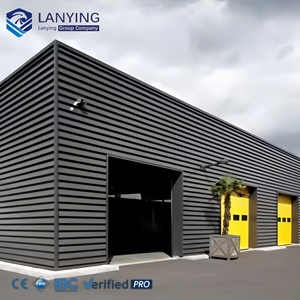
Heavy-duty structural engineering solutions for modern distribution hubs. Pre-engineered modular designs enabling rapid deployment of logistics facilities.
Get a Quote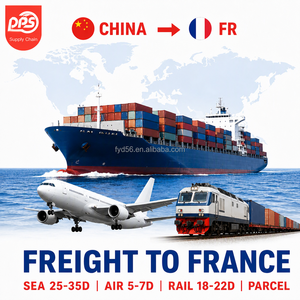
Green intermodal rail-sea corridor bypassing highway bottlenecks. Offers seamless customs clearance via Rotterdam for swift distribution across mainland Europe.
Get a Quote
Certified Hazmat and heavy-lift project cargo handlers equipped to manage hazardous materials, temperature-sensitive goods, and out-of-gauge industrial gear.
Get a Quote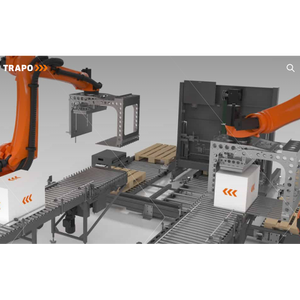
Next-generation automated robotic arm systems engineered for high-speed palletizing, order sorting, and warehouse throughput optimization with zero error rates.
Get a QuoteConnecting global manufacturing ecosystems with North American and Latin American buyer networks through accountable, single-source logistics management.
As a Non-Vessel Operating Common Carrier licensed by the Federal Maritime Commission, we issue our own House Bills of Lading and negotiate volume tier contracts with tier-1 ocean alliances, delivering wholesale freight pricing to our clients.
Operating within secure Foreign Trade Zones (such as FTZ #281 in Miami), we enable importers to defer, reduce, or eliminate U.S. customs duties entirely on re-exported goods, providing significant cash flow leverage.
Our Miami distribution hubs utilize autonomous palletizing robots, high-density storage racking, and automated pick-and-pack infrastructure to ensure zero-defect order fulfillment for enterprise e-commerce and retail networks.
Juggling separate freight forwarders, customs brokers, drayage truckers, and 3PL warehouses creates handoff blind spots, compliance delays, and administrative bloat. ShipLilly acts as your single point of accountability.
Our operational teams in North America, China, Mexico, Panama, and Venezuela deliver seamless English and Spanish coordination, resolving regulatory bottlenecks before your container touches port.
An executive analysis of structural shifts reshaping global freight acquisition, risk mitigation, and international trade corridors.
Legacy freight procurement relied heavily on static port-to-port schedules. Future-ready procurement strategies integrate predictive AI routing platforms that recalculate multimodal transit sequences in real time based on port congestion data, weather disruptions, and canal bottleneck indices. Modern buyers no longer purchase static lanes; they acquire dynamic routing agreements that seamlessly transition cargo from Ocean FCL to Sea-Air or Ocean-Rail corridors when maritime congestion spikes.
As industrial sourcing diversifies away from single-origin dependency, trade corridors connecting Asia to North America via Latin American transit nodes (such as Panama and Mexico) are experiencing unprecedented volume growth. Multimodal logistics procurement now demands dual-hub strategies: importing raw components via ocean to FTZ warehousing hubs like Miami, performing light assembly or kitting, and redistributing finished goods across North and South America via intermodal drayage and rail networks.
Logistics procurement executives are increasingly auditing 3PL infrastructure for robotics deployment. Facilities equipped with autonomous palletizing robots and high-speed automated guided vehicles (AGVs) reduce dock-to-stock cycle times by up to 60%. Procurement teams that align with technologically advanced logistics suppliers secure superior throughput SLAs during peak seasonal surges while minimizing product damage risks.
| Procurement Dimension | Legacy Freight Model | Next-Gen Multimodal Strategy | Value Impact |
|---|---|---|---|
| Contract Structure | Single-carrier annual fixed contracts | NVOCC multi-carrier dynamic volume pooling | 15%–22% cost reduction on spot volatility |
| Customs Handling | Post-arrival customs filing | Pre-departure ISF 10+2 & FTZ duty deferral | Zero port demurrage & optimized working capital |
| Warehousing Infrastructure | Manual labor pick-and-pack | Automated robotic palletizing & AI inventory | 99.98% fulfillment accuracy & high throughput |
| Sustainability (ESG) | Unmonitored highway truck drayage | Ocean-to-Rail intermodal electrification | Up to 45% reduction in Scope 3 emissions |
How digital standards, regulatory shifts, and green corridors are driving the next paradigm of freight transportation.
The global transition to electronic Bills of Lading (eBL) backed by distributed ledger technology is eliminating paper document delays. This enables instant cargo transfer ownership, faster customs clearance, and seamless financial settlement under letters of credit.
Major trade hubs like the Rotterdam Gateway are setting new benchmarks by shifting long-haul inland freight from diesel trucking to electrified rail lines and low-emission barges, aligning global shippers with stringent international carbon tax frameworks.
With non-tariff barriers rising worldwide, modern logistics suppliers must embed automated HTS classification engines and partner government agency compliance checks (FDA, USDA, CE) directly into the freight booking engine to prevent border holds.
Direct insight from our licensed customs brokers and global trade specialists.
Speak with our licensed trade specialists today to benchmark your current freight rates, explore FTZ duty deferral options, and design a resilient global logistics strategy.