 English
 Español English Español

Explore our specialized range of heavy-lift transport machinery, custom FIBC containers, oversized flat racks, and global freight forwarding options engineered for seamless export to Chile.
Navigating the complex maritime and terrestrial geography of Chile requires precise stowage, specialized equipment selection, and absolute compliance with Chilean Customs regulations.
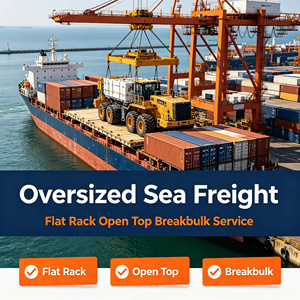
Moving machinery that exceeds standard container dimensions demands tailored lashing calculations, tandem crane operations, and dedicated multipurpose breakbulk vessel charters to protect structural integrity.
From the deep-water berth operations in San Antonio and Valparaíso to the mining-centric terminals in Antofagasta and Angamos, we engineer routes suited to local draught limits and crane capacities.
Full adherence to the Servicio Nacional de Aduanas (SNA) and SAG phytosanitary regulations (ISPM 15 timber dunnage standards) ensures zero delays upon arrival at Chilean discharge points.
Chile’s unique economic landscape—driven by copper extraction, renewable energy expansion, forestry, and infrastructure development—demands specialized breakbulk export strategies tailored to specific regional hubs.
Primary Commodities: Ball mills, jaw crushers, flotation cells, heavy excavators, and industrial haul trucks.
Exporting heavy-lift mining gear to the Atacama region requires direct discharge at specialized terminals like Puerto Angamos or Antofagasta. Our breakbulk teams organize heavy-duty hydraulic multi-axle trailers (SPMTs) capable of transporting 100+ ton components up steep Andean inclines directly to copper mines such as Escondida or Collahuasi.
Primary Commodities: Wind turbine blades, nacelles, solar transformers, and green hydrogen electrolyzers.
Chile’s target for carbon neutrality has sparked a massive influx of renewable project shipments. Turbine blades exceeding 70 meters in length cannot fit standard containers; they rely on heavy-lift breakbulk vessels equipped with ship's gear (cranes capable of 200t tandem lifts) and specialized deck stowage plans.
Primary Commodities: Tunnel boring machines (TBMs), bridge girders, railway locomotives, and industrial boilers.
San Antonio and Valparaíso serve as the primary gateways for urban transit and industrial plants serving Santiago. Breakbulk cargo handling here requires coordination with port authorities for immediate discharge onto waiting flatbed extendable trailers to bypass yard congestion.
Primary Commodities: Heavy paper machine rollers, industrial kilns, timber harvesters, and chemical tanks.
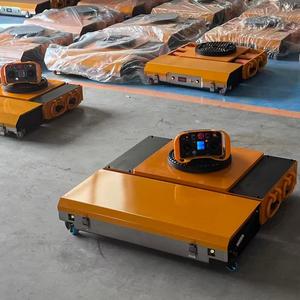
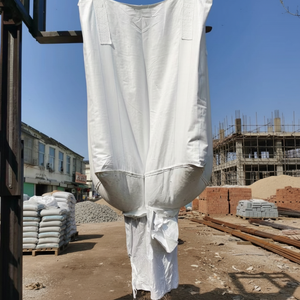
The Biobío region requires specialized breakbulk FIBC bags and heavy moving skates to maneuver machinery into coastal mills. Our cargo handling solutions prevent moisture degradation during Pacific transit.
Selecting the right transport mode is essential to minimizing landed costs and avoiding transit damage. Review our engineering comparison matrix tailored for exporters serving Chile.
| Shipping Modality | Max Unit Payload | Suitable Cargo Types | Chile Discharge Ports | Risk Mitigation & Handling |
|---|---|---|---|---|
| Breakbulk (MPV Charter) | 500+ Metric Tons | Transformers, Mining Mills, Turbines | Angamos, Antofagasta, Lirquén | Direct ship-to-trailer tandem lift; custom cradles & welding onto deck. |
| Flat Rack (OOG Container) | 45 Metric Tons | Excavators, Small Machinery, Generators | San Antonio, Valparaíso, Iquique | Rigid lashing with steel cables; tarp cover protection against salt spray. |
| Ro-Ro (Roll-on / Roll-off) | 120 Metric Tons | Wheeled Mining Haulers, Trucks, Locomotives | San Antonio, Iquique | Driven onto enclosed decks; zero crane lifting exposure; minimal weather impact. |
| Heavy Duty FIBC / Bulk Cargo | 2,000 kg per bag | Concentrates, Chemicals, Raw Minerals | Arica, Antofagasta, Coronel | UV-treated reinforced polypropylene; standardized crane sling loops. |
Stay ahead of market shifts with white-paper insights into regulatory updates, port expansions, and green energy initiatives across the Southern Cone.
Chile's national Green Hydrogen strategy in Magallanes and Antofagasta is driving massive demand for breakbulk imports of ammonia synthesis units, electrolyzers, and specialized cryogenic pressure vessels over the next decade.
The "Puerto Exterior" project in San Antonio and modernization efforts in Valparaíso are increasing berth capacity, allowing larger multi-purpose project cargo vessels (MPVs) to dock without extended anchorage delays.
Chilean Agricultural and Livestock Service (SAG) has intensified inspections for invasive pests (e.g., Brown Marmorated Stink Bug). All wood dunnage, skids, and crates must carry certified ISPM 15 heat-treatment stamps.
Combining licensed NVOCC ocean contracts, an expansive Miami Foreign Trade Zone (FTZ) consolidation hub, and bilingual project engineers on the ground in South America.
As a fully bonded Non-Vessel Operating Common Carrier, we issue our own House Bills of Lading (HBL), holding direct volume contracts with global breakbulk and container ocean carriers to ensure guaranteed space allocations.
Our Miami Foreign Trade Zone facility allows global machinery exporters to hold, inspect, modify, and re-export heavy equipment to Chile without triggering U.S. customs duties, optimizing working capital.
Project cargo requires tailored open cover marine insurance policies including door-to-door coverage, lashing survey certification, and loading/discharge supervision by certified marine surveyors.
Our logistics coordinators operate natively in English and Spanish, bridging communication gaps between overseas manufacturers, shipmasters, port operators, and Chilean customs brokers (Agentes de Aduana).
Essential guidance on importing breakbulk, heavy-lift, and out-of-gauge machinery into Chile.
Ports such as Puerto Angamos, Antofagasta, and San Antonio feature mobile harbor cranes (MHCs) and tandem lifting setups capable of handling heavy lifts up to 100-150 metric tons. For cargo exceeding quay crane limits, we charter multipurpose vessels (MPVs) equipped with heavy-lift ship's gear (cranes capable of 250t to 500t combined lift capacity).
Chilean Customs (Servicio Nacional de Aduanas) requires a Commercial Invoice, Packing List with detailed net/gross weights and dimensions, Original Ocean Bill of Lading (or Sea Waybill), Certificate of Origin (for duty preference under FTAs), and technical specification sheets. Oversized road transport requires special permits from the Ministry of Public Works (MOP).
The Servicio Agrícola y Ganadero (SAG) strictly enforces ISPM 15 standards. All timber dunnage, crating, blocking, and chocking used to secure breakbulk cargo on board must display the official HT (Heat Treated) IPPC mark. Non-compliant timber will result in immediate re-export or costly mandatory fumigation at the discharge port.
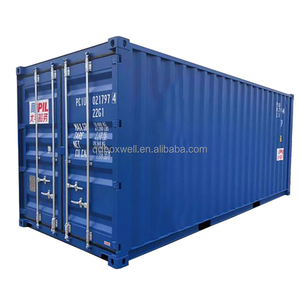
Flat Racks (20ft/40ft Open Top or Flat) are cost-effective if the cargo fits within carrier width/height limits and does not exceed ~45 tons. However, if the unit exceeds container vessel slot dimensions or exceeds crane capacity at container terminals, chartering dedicated breakbulk vessel space on a liner or part-charter basis is safer and more reliable.
Yes. Our project logistics services include end-to-end door-to-door delivery. We perform preliminary route surveys, bridge load capacity verification, police escort coordination (Carabineros de Chile), and supply specialized hydraulic multi-axle trailers (SPMTs) to transport heavy gear up mountain roads safely.
Breakbulk freight is generally calculated on a Revenue Ton (W/M - Weight or Measurement) basis, whichever is higher, or as a lump-sum charter rate for specialized heavy lifts. Factors influencing rates include lifting complexity, center of gravity location, deck space occupancy, lashing requirements, and port handling surcharges.