China Top Cargo Insurance Manufacturer & Suppliers Serving the Mexico Market
Executive Risk Mitigation Whitepaper & All-Risk Ocean Marine Cargo Underwriting Solutions Connecting China Ports to Manzanillo, Lázaro Cárdenas, and Interior Mexican Logistics Hubs.
$4.8B+
Insured Cargo Value on Asia-Mexico Trade Lane
100%
Full Value ICC (A) All-Risk Coverage Guarantee
24/7
Bilingual Emergency Claims Desk in CDMX & China
99.4%
Claims Settlement Approval Ratio for Mexico Imports
Underwriting Solutions
Featured Cargo Insurance & Freight Protection Services
Customized marine, air, and inland transit underwriting options engineered specifically for importers, cross-border manufacturers, and logistics providers in Mexico.
China Freight Forwarder Oversized Cargo Marine Insurance with Sea Shipping & Door Delivery
Tailored Institute Cargo Clauses (A) cover for heavy industrial machinery, breakbulk, and oversized project cargo bound for Mexican manufacturing plants in Monterrey and Querétaro.
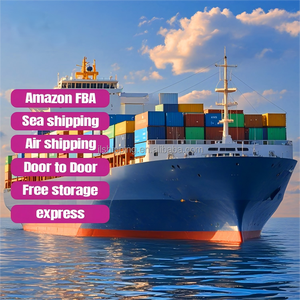
Comprehensive Cargo Insurance for Sea Shipping to Mexico Ports Protecting FCL & LCL Shipments
All-Risk marine transit policy covering containerized freight from Ningbo/Shanghai to Manzanillo and Lázaro Cárdenas, including port storage and customs hold extensions.
100% Cargo Insurance for LCL Express & Marine FCL Fast Sea Shipping with Mexican Highway Trucking Included
End-to-end multimodal coverage guarding against ocean loss, port damage, and high-risk inland highway robbery (Robo de Carga) across Mexican Federal Highways 57D and 15D.
Sensitive Electronics & E-Commerce Fast Air Cargo Insurance for Mercado Libre & Amazon Mexico
Specialized transit coverage for high-value consumer electronics, microchips, and e-commerce inventory. Protects against shock, moisture, temperature variation, and theft.
Reliable Ocean Shipping Cargo Insurance with Full Coverage & Last Mile Delivery to Mexico Hubs
Integrated underwriting solution designed for buyers utilizing transshipment ports. Covers General Average claims, salvage costs, and warehouse-to-warehouse transit risks.
Global Order Fulfillment & Dropshipping Logistics Cargo Protection Plan for Mexican Importers
B2B and B2C parcel-level cargo underwriting for high-frequency small packages shipped via international courier and consolidated air freight from Shenzhen to Mexico City.
Turnkey Door-to-Door Air Cargo Insurance & Customs Clearance Package from China to Mexico Warehouses
All-inclusive insurance package bundled with export documentation, Mexican customs clearance (Pedimento importación), and bonded truck delivery with zero claim hassle.
The bilateral trade corridor connecting the People's Republic of China and the United Mexican States has experienced unprecedented exponential growth, propelled by global supply chain restructuring, the rise of nearshoring in North America, and massive capital investments across Mexico's central and northern industrial zones. However, navigating the transpacific ocean freight routes—stretching from China’s eastern seaboard (Shanghai, Ningbo-Zhoushan, Shenzhen, Qingdao) to Mexican Pacific ports (Manzanillo, Lázaro Cárdenas) and Gulf gateways (Veracruz, Altamira)—exposes cargo owners to complex operational, legal, and environmental risk factors.
Standard carrier liability limits under international maritime conventions—such as the Hague Rules, Hague-Visby Rules, or Rotterdam Rules—typically cap compensation at a mere fraction of actual commercial product value (frequently as low as 2 SDR per kilogram or $500 per shipping unit). This structural liability deficit leaves importers, contract manufacturers, and cross-border traders critically underinsured. Establishing an institutional-grade, All-Risk Cargo Insurance strategy engineered precisely for Mexican regulatory frameworks is paramount to preserving corporate working capital and operational continuity.
Underwriting Risk Matrix: Over 74% of ocean freight damage claims on the China-to-Mexico shipping lane stem from three preventable vectors: transpacific maritime rough seas (General Average & heavy weather wash-over), port customs congestion delays in Manzanillo, and inland highway freight theft (Robo de Carga) during last-mile trucking to Bajío and Monterrey factories.
Understanding Institute Cargo Clauses (ICC): A, B, and C Underwriting Scopes
When securing marine cargo coverage through Chinese underwriters and international insurance syndicates serving Mexico, selecting the correct policy clause structure forms the baseline of financial defense. The International Chamber of Commerce and the International Underwriting Association (IUA) define three primary standardization tiers:
Institute Cargo Clauses (A) - "All-Risk"
The gold standard of marine protection. Covers all risks of loss or physical damage to the subject-matter insured except for explicit standard exclusions (e.g., willful misconduct, inadequate packaging, inherent vice, and war/strikes unless endorsed). Recommended for 95% of manufactured goods entering Mexico.
Institute Cargo Clauses (B) - "Named Perils"
Restricted coverage protecting against specified major marine catastrophes, including vessel grounding, capsizing, collision, earthquake, lightning, washing overboard, and entry of sea/river water into container holds. Excludes partial theft and handling abrasion.
Institute Cargo Clauses (C) - "Basic Marine"
Minimum coverage standard restricted strictly to total loss resulting from major ocean vessel accidents, fire, explosion, or jettison. Primarily utilized for raw bulk commodities, scrap metals, or low-margin non-perishable raw material shipments.
Comparative Technical Matrix: Underwriting Coverage for China-to-Mexico Transit Modes
Transit Mode / Commodity
Primary Risk Exposure
Recommended Clause
Inland Theft Coverage
Standard Claim Settlement Time
Ocean FCL (Containerized Machinery)
Saltwater ingress, container shift, severe wave impact
ICC (A) All-Risk + GA Endorsement
Included (Warehouse-to-Warehouse)
7–14 Business Days
Ocean LCL (Consolidated Retail)
Multiple handlings, cargo crushing, pilferage at CFS
ICC (A) + Zero Deductible Rider
Included up to Final Consignee
10–15 Business Days
Air Freight (High-Tech Electronics)
Airport warehouse theft, rapid temperature drops
Institute Cargo Clauses (Air)
Included (Air-to-Truck Transit)
3–5 Business Days
Overweight / Project Cargo
Lashing failure, crane drop, road transport overturning
ICC (A) Custom Heavy Lift Policy
Special Escort Anti-Theft Policy
14–21 Business Days
Incoterms 2020 & Cargo Insurance Obligations: CIF vs. CIP vs. DDP
A critical source of dispute in international claims settlement arises from misunderstandings regarding Incoterms 2020 rules between Chinese suppliers and Mexican buyers. Under CIF (Cost, Insurance, and Freight), the Chinese seller is legally mandated to obtain marine insurance only under Institute Cargo Clauses (C)—the bare minimum. This leaves the Mexican importer severely exposed to partial loss, pilferage, and highway theft upon port discharge.
Conversely, under CIP (Carriage and Insurance Paid to), Incoterms 2020 upgrades the default seller obligation to Institute Cargo Clauses (A) All-Risk. For importers seeking complete peace of mind, working with a specialized China-Mexico marine cargo insurer that offers Seamless Door-to-Door DDP/DAP Underwriting guarantees that coverage seamlessly transitions from Chinese factory dispatch, through transpacific sea carriage, customs clearance at Mexican ports of entry, and final highway transit via Mexican bonded transport.
Localized Application Scenarios across Mexico's Key Logistics Corridors
Understanding regional logistics infrastructure across Mexico is essential for crafting airtight cargo insurance policies. Our underwriting parameters are dynamically calibrated to match the specific geographic, legal, and operational risks associated with major Mexican economic zones:
As the heart of North American automotive and appliance manufacturing relocation, northern Mexico demands specialized coverage for high-value industrial molds, robotics, and raw aluminum from China. Our policies include specialized clauses for highway transport along the dangerous Monterrey-Nuevo Laredo and Saltillo-San Luis Potosí routes.
2. Mexico City Metropolitan Area (CDMX) & Estado de México
Serving as the principal consumer market and e-commerce distribution epicenter (Amazon MX, Mercado Libre, Walmart Mexico). Shipments arriving at Mexico City International Airport (AICM) or Santa Lucía (NIF) benefit from expedited air-cargo pilferage riders and door-to-fulfillment-center loss guarantees.
3. Bajío Industrial Region (Querétaro, Guanajuato, Silao)
Aerospace, electronics, and precision tooling components moving from Manzanillo port through Guadalajara to Bajío industrial parks face intense highway risk. We offer mandatory real-time GPS tracking compliance support and armed escort sub-limit extensions required by Mexican insurance law.
4. Pacific Deepwater Port Terminals (Manzanillo & Lázaro Cárdenas)
Port congestion, customs physical inspection (Reconocimiento Aduanero), and prolonged demurrage container storage at Manzanillo customs present high risks of container seal tamper and weather damage. Our policies incorporate a 60-day post-discharge port extension rider.
Macro Supply Chain & Cargo Insurance Trends in the China-Mexico Market
As trade volume between China and Mexico accelerates beyond $120 billion annually, several key macro trends are shaping the underwriting landcape for international logistics managers:
1. Nearshoring Boom and T-MEC / USMCA Origin Rules Compliance
Chinese manufacturers establishing production facilities in Mexico to serve the North American market require seamless raw-material transit insurance. Insurance policies must now support cross-border continuity—covering Chinese component imports through Mexican processing and ultimate export into the United States under USMCA tariff preferences.
2. Digital Telematics and IoT Smart Container Underwriting
Modern cargo insurance is shifting from reactive claims processing to proactive loss prevention. Leading Chinese marine underwriters now offer discounted premiums (up to 18% rate reductions) for shipments equipped with real-time cellular/satellite IoT sensors monitoring location, light exposure (seal rupture), tilt, temperature, and moisture levels along Mexican trucking routes.
3. Strict Mexican Customs SAT (Servicio de Administración Tributaria) Regulations
The implementation of mandatory electronic transport documentation in Mexico—specifically the Carta Porte Complement (Complemento Carta Porte 3.0)—has direct insurance implications. Marine policies must align with SAT tax identification codes to ensure that cargo seized or delayed during domestic transport audits remains fully eligible for indemnity without legal disqualification.
4. Parametric Insurance for Pacific Ocean Meteorological Disruptions
Climate volatility in the Pacific Ocean has increased the frequency of severe typhoons disrupting Asian port departures and Mexican port arrivals. Parametric cargo insurance options are gaining rapid adoption, offering instant automated payouts based on pre-defined weather triggers and ocean vessel delay milestones.
Why Partner with Us: Premier China-Mexico Underwriting Advantages
Combining deep Chinese manufacturing logistics integration with extensive bilingual legal expertise in Mexico, our institutional cargo insurance platform delivers unmatched risk protection for global enterprise supply chains:
Direct Underwriting Authority
Direct partnerships with top-tier global marine underwriters (PICC, Ping An, Lloyd's Syndicates), eliminating broker markups and delivering competitive premium rates as low as 0.08% of CIF value.
Local Claims Surveying Network in Mexico
Established network of certified marine loss adjusters and legal surveyors stationed in Mexico City, Guadalajara, Monterrey, and Manzanillo for immediate 24/7 on-site damage assessment.
Instant Dual-Language Policy Issuance
Automated digital policy engine issuing legally binding insurance certificates in English, Spanish, and Chinese within minutes of booking, fully compliant with Mexican bank LC requirements.
Seamless NVOCC & FTZ Integration
Integrated with licensed NVOCC freight shipping, Foreign Trade Zone (FTZ) warehousing, and customs clearance services for single-point operational accountability.
Buyer Guidelines
Frequently Asked Questions: Cargo Insurance to Mexico
Essential operational and legal guidance for importers, freight forwarders, and logistics directors sourcing products from China.
Why is standard freight carrier liability insufficient for ocean shipments from China to Mexico?
International ocean carriers operate under limited liability frameworks (such as COGSA or Hague-Visby Rules) which restrict carrier payout caps to roughly $500 per shipping container unit or 2 SDRs per kilo. Furthermore, ocean carriers are legally exempt from liability for damage caused by heavy seas, act of God, fire, or navigation error. Marine cargo insurance provides 100% full commercial value recovery regardless of carrier fault.
Does standard marine insurance cover highway cargo theft (Robo de Carga) in Mexico?
Standard marine policies terminate upon cargo discharge at the port of entry unless explicit Door-to-Door Warehouse-to-Warehouse coverage is secured. Due to high theft rates on Mexican highways (e.g., Highway 57D), our specialized policies incorporate an inland anti-theft rider covering armed robbery, vehicle hijacking, and covert theft during domestic trucking to your facility.
What is General Average (GA) and why must Chinese imports to Mexico have GA protection?
General Average is a maritime law principle where all cargo owners on a vessel must proportionally contribute to pay for losses incurred when cargo is intentionally jettisoned or expenses are incurred to save a vessel in distress. Without General Average insurance coverage, your cargo will be legally impounded at the port of Manzanillo or Lázaro Cárdenas until you post a massive cash guarantee bond—often tens of thousands of dollars.
How is the total insured value calculated for cargo insurance to Mexico?
Under standard marine underwriting practice, the Insured Commercial Value is calculated using the formula: Insured Value = (FOB Cargo Value + International Freight Costs + Estimated Customs Duties) × 110%. The extra 10% buffers against anticipated profit loss, administrative expenses, and currency fluctuation between the US Dollar (USD) and Mexican Peso (MXN).
What evidence is required to file a successful cargo damage claim in Mexico?
To process a claim seamlessly, the consignee must present: (1) The Original Bill of Lading (B/L) or Air Waybill, (2) Commercial Invoice and Packing List, (3) Official Mexican Customs Import Entry (Pedimento de Importación), (4) Photos of damaged goods and container seals before unloading, and (5) An official inspection report issued by our local surveyor in Mexico within 3 days of delivery.
Can I obtain cargo insurance if my supplier ships under FOB terms from China?
Yes. Under FOB (Free on Board) terms, the Mexican importer assumes full financial risk the moment goods cross the vessel rail at the Chinese departure port (e.g., Ningbo or Shenzhen). You can independently purchase an All-Risk Marine Policy directly from us to cover the entire ocean voyage and inland Mexican transport.
How does container seal verification affect theft claims under Mexican law?
Underwriters require that container seal numbers are verified and documented at port discharge and upon arrival at the final warehouse. If container seals are intact upon arrival but internal contents are missing, claims are investigated under concealed shortage clauses. If seals are broken, immediate notation on the carrier’s Proof of Delivery (POD) is mandatory for claim validity.
Are temperature-sensitive cargo (cold chain) shipments covered against refrigeration failure?
Yes, perishable agricultural, food, and pharmaceutical shipments can be insured under specialized Refrigeration Machinery Breakdown Clauses, protecting against temperature deviation caused by reefer unit mechanical failure lasting over 24 consecutive hours.
Protect Your Supply Chain from China to Mexico Today
Get instant marine insurance quotes, expert risk assessment, and institutional-grade All-Risk policies tailored specifically for your ocean or air freight trade lane.
 English
 Español