 English
 Español English Español

Optimize your Asian and global supply chain with specialized factory consolidation, seamless Italian customs clearance, and door-to-door DDP distribution.
Consolidate goods from multiple Asian factories into single container shipments with full customs clearance and DDP door delivery in Milan, Rome, and Bologna.
Get a Quote
High-volume NVOCC ocean contracts offering competitive ocean freight rates, real-time 24/7 shipment tracking, and prioritized vessel space allocation.
Get a Quote
Fast air transport solutions for time-sensitive samples, apparel, high-value electronics, and classified hazardous goods with express customs filing.
Get a Quote
Turnkey logistics covering factory pick-up, origin warehouse packaging, ocean transport, Italian port drayage, and final mile delivery.
Get a Quote
Expert brokerage navigating Union Customs Code (UCC) regulations, VAT deferral mechanisms, tariff classification, and EU bonded warehousing.
Get a Quote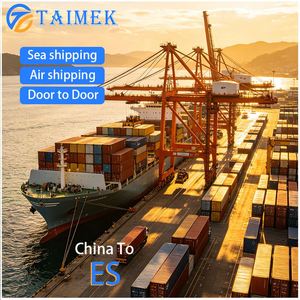
Optimized ocean routing via Port of Genoa, Trieste, and Barcelona hubs, ensuring rapid transit times and relabeling support for regional distribution.
Get a Quote
Origin-side cargo inspection, SKU labeling, custom barcoding, and re-packing at our origin consolidation centers before dispatch to Italy.
Get a Quote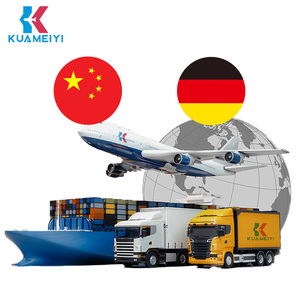
Cost-efficient overland rail and feeder truck services bridging Far East manufacturing centers directly into Northern Italian industrial hubs.
Get a QuoteItaly stands as Europe’s second-largest manufacturing powerhouse, boasting dynamic industrial districts (distretti industriali) spread across Lombardy, Veneto, Emilia-Romagna, Piedmont, and Tuscany. Italian enterprises heavily rely on imported raw materials, precision sub-assemblies, electronic components, textiles, and consumer goods sourced from key manufacturing hubs in Asia—most notably China, Vietnam, and Taiwan.
However, managing sourcing operations across multiple independent factories introduces severe logistical vulnerabilities. Italian importers frequently face fragmented Less-than-Container-Load (LCL) shipments, redundant bill-of-lading (B/L) documentation charges, unpredictable port demurrage fees, and complex EU customs inspections at Mediterranean ports. Implementing a centralized Buyer’s Freight Consolidation Strategy systematically addresses these inefficiencies, turning supply chain overhead into a distinct competitive advantage.
Core Information Gain Insight: By consolidating cargo from multiple vendors at origin warehouses in Ningbo, Shenzhen, or Shanghai into unified Full Container Load (FCL) shipments, Italian importers eliminate up to 35% in terminal handling charges (THC), reduce custom entry filings to a single clearance document, and shorten port turnaround times in Genoa and Trieste by 3 to 5 business days.
Traditional LCL shipping forces importers to rely on public co-loaders who mix heterogeneous cargo from dozens of unknown shippers into a single box. This practice increases the risk of product damage, customs holds triggered by co-shippers' paperwork errors, and exorbitant destination deconsolidation fees charged by local Italian freight terminals.
In contrast, our Factory Buyer’s Consolidation Framework provides a dedicated containerized workflow tailored exclusively to your supplier network:
Logistical requirements vary dramatically depending on the specific industrial cluster in Italy. Our customized freight consolidation models are specifically engineered to match the operational tempo of Italy’s core regional economies.
Challenge: Fast fashion brands and garment houses require fast seasonal inventory turns, pristine garment quality, and rigid delivery windows to meet retail schedules.
Solution: Origin consolidation hubs collect fabric rolls and finished apparel from multiple specialized factories. Services include Garment-on-Hanger (GOH) container setups, humidity-controlled stowing, and express sea-air routing into Milan Malpensa (MXP) or express ocean services to Port of Genoa.
Challenge: High-precision mechanical parts, CNC components, and castings sourced from disparate metalworking suppliers must arrive synchronized to assembly lines.
Solution: Heavy-duty export crating, anti-corrosion VCI wrapping, and buyer’s FCL consolidation at Ningbo ports. Direct rail feed or maritime discharge at La Spezia with bonded truck transfer directly to Emilia-Romagna plant floors.
Challenge: Strict Just-In-Time (JIT) production cycles mean component stockouts cause catastrophic assembly line shutdowns.
Solution: Tier-2 and Tier-3 auto component consolidation across Asian supplier clusters with buffer storage in Italian bonded warehouses. Multi-modal tracking gives complete supply chain visibility down to individual part numbers.
Challenge: High-SKU consumer product lines require intensive sorting, labeling, and fragmented last-mile distribution across Southern Italy.
Solution: Origin palletization, custom barcode tagging, and direct DDP delivery to regional fulfillment centers. Customs pre-clearance prevents bottleneck delays upon discharge at Port of Naples.
Operating within the European Single Market requires strict adherence to evolving EU trade frameworks, environmental mandates, and digital customs infrastructures. Importers serving Italy must navigate several key regulatory trends:
The European Union’s ICS2 framework imposes rigorous Entry Summary Declaration (ENS) safety and security requirements prior to loading cargo at foreign ports. Consolidated LCL shipments face severe scrutiny; an incomplete data filing for a single line item within a multi-shipper container can trigger a complete loading ban or port hold. Our automated digital pre-screening ensures full 6-digit HS code compliance, seller/buyer EORI validation, and error-free ENS submissions before container seal closure.
With the progressive implementation of CBAM, Italian industrial buyers importing carbon-intensive goods (such as iron, steel, aluminum, and fertilizers) must track embedded emissions. Freight consolidation aids CBAM compliance by optimizing container fill rates, reducing total trips, and leveraging modern fuel-efficient container vessels operating on Mediterranean trade lanes. Furthermore, detailed CO2 emissions tracking reports are generated for every consolidated consignment to assist with Scope 3 corporate reporting.
Historically, significant volumes of Northern Italian imports were routed via Northern Range ports like Rotterdam and Hamburg, requiring extensive overland trucking across the Alps. Contemporary logistics strategies prioritize direct Mediterranean discharges via the Port of Genoa (Liguria), La Spezia, and Trieste (Northern Adriatic). Routing ocean freight directly to Italian ports slashes inland transit emissions, cuts European transit times by 4 to 6 days, and mitigates trans-Alpine transit bottlenecks.
| Logistics Model | Customs Complexity | Average Transit (S. China to N. Italy) | Landed Shipping Cost Index | Risk of Unplanned Port Charges |
|---|---|---|---|---|
| Standard Multi-Shipper LCL | High (Multiple Filings) | 32 - 38 Days | 100 (Baseline) | High (Co-Loader Fees) |
| Factory Buyer's Consolidation (FCL) | Low (Single Entry) | 24 - 28 Days | 65 - 72 | Low (Control of Container) |
| Direct Air Freight Express | Minimal (Express Clearance) | 4 - 7 Days | 380 - 450 | Minimal |
| Sea-Air Hybrid (via Dubai/Istanbul) | Moderate | 14 - 18 Days | 190 - 220 | Low |
Backed by licensed NVOCC credentials, proprietary origin warehouse infrastructures, and deep expertise in Italian customs law, we provide an accountable, end-to-end operational framework for your supply chain.
As a licensed Non-Vessel Operating Common Carrier, we issue our own House Bills of Lading (HBL) and leverage direct volume contracts across premier ocean alliances (2M, Ocean Alliance, THE Alliance), ensuring stable space allocation and competitive freight rates.
Our origin receiving depots across Ningbo, Yiwu, Shenzhen, Guangzhou, and Shanghai provide 30 days of free storage, automated cargo scanning, pallet re-conditioning, and precise container stuffing to optimize space utilization.
Our specialized customs desk handles import VAT deferral schemes (Plafond IVA), autonomous tariff quota applications, and seamless DDP clearance at Italian ports of entry, delivering directly to your end warehouse without administrative friction.
Get definitive answers from our senior logistics specialists regarding factory consolidation, customs clearance, and import regulations serving the Italian market.
Standard LCL mixes your goods with random cargo from unrelated companies inside a co-loader's container, exposing you to unexpected destination deconsolidation fees and delays if another shipper's cargo is detained by customs. Buyer's consolidation places goods exclusively from your chosen suppliers into a dedicated container managed by us, giving you full control over container packing, reduced handling risk, and lower total landed cost.
Direct ocean transit from major Far East hubs (Shenzhen, Ningbo, Shanghai) to Southern European ports like Genoa, La Spezia, and Trieste averages between 24 to 28 days depending on ocean carrier routing. Air freight express options into Milan Malpensa (MXP) or Rome Fiumicino (FCO) take between 3 to 6 days door-to-door.
Under DDP terms to Italy, our logistics structure assumes full responsibility for origin transport, international freight, export compliance, Italian customs clearance, customs duty payment, and local VAT settlement. The buyer receives cleared goods at their door without handling customs paperwork or paying unexpected port release fees.
Our origin documentation teams collect precise item descriptions, 6-digit Harmonized System (HS) codes, buyer/seller EORI numbers, and packaging details prior to stuffing cargo. We lodge the complete Entry Summary Declaration (ENS) electronically to EU customs databases well in advance of the mandatory 24-hour pre-loading deadline, ensuring seamless approval to load.
Yes. Our consolidation facilities in Asia provide complete vendor management services. We receive goods from multiple factories, perform piece-count verification, conduct outer box visual inspections, apply CE compliance labels, attach Italian language shipping marks, palletize according to your warehouse specifications, and generate consolidated packing slips.
Our origin warehouse team actively coordinates production schedules directly with your suppliers. If one supplier experiences a delay, we offer up to 30 days of free warehouse storage for ready cargo while holding space. Alternatively, we can dispatch the ready goods in a primary container and route the delayed factory portion via express LCL or air freight, ensuring your production line never suffers a complete shutdown.
The Italian importer must provide a valid EU EORI (Economic Operators Registration and Identification) number, a Commercial Invoice detailing the transaction value and Incoterms, a Packing List, Bill of Lading, and any mandatory product-specific certificates (such as CE declarations, RoHS test reports, or sanitary certificates depending on the commodity).
By utilizing an Italian customs bonded warehouse (deposito doganale), duties and 22% Italian import VAT are deferred until the goods are officially withdrawn for domestic sale. If the consolidated cargo is subsequently re-exported outside the EU, import duties and VAT are completely eliminated, optimizing working capital for international trade operations.
Speak directly with our senior logistics architects to calculate landed cost savings, optimize factory pickup schedules, and secure prioritized ocean vessel space to Italian ports.
Get a Quote