Toll-Free: 888-464-5459 Miami, Florida · Serving the Americas & Asia
English Español

Global Freight Manufacturer & Supplier serving Nigeria

Licensed NVOCC & End-to-End Multimodal Supply Chain Solutions Connecting Asia, Americas & Europe directly to Nigerian Ports

Specialized Logistics & Freight Services for Nigeria Trade

Deploying high-volume NVOCC ocean contracts, customs clearance frameworks, and multimodal drayage networks tailored to Nigerian commercial destinations.
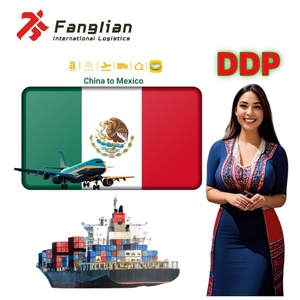
DDP Shipping Service Reliable Customs Handling to Nigeria

DDP Door-to-Door Ocean Freight & Customs Handling

Full DDP coverage to Lagos (Apapa/Tin Can Port) and Port Harcourt. Includes Form M management, PAAR issuance, SONCAP validation, and inland drayage.

Send an Inquiry
Fast DDP Freight Forwarder with 24/7 Logistics Tracking

24/7 Monitored FCL/LCL Direct Shipping to Nigeria

High-volume NVOCC ocean container services with real-time GPS tracking and dedicated local clearing desks to eliminate demurrage delays.
Send an Inquiry
Air Express Dangerous Goods Cargo Forwarding

Air Freight Express & Hazmat / Dangerous Goods Logistics

Rapid air cargo charters and scheduled flights to Murtala Muhammed International Airport (LOS) and Nnamdi Azikiwe Airport (ABV) for sensitive industrial goods.
Send an Inquiry
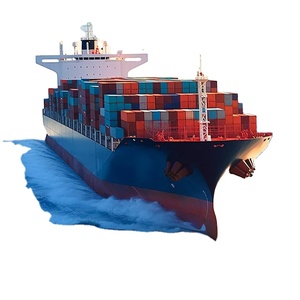
Professional Shipping Agent DDP Door To Door Logistics

Integrated Sea & Air Logistics from China / USA to Nigeria

End-to-end multimodal transport solutions offering seamless warehouse consolidation, factory pickup, and direct warehouse delivery across West Africa.
Send an Inquiry
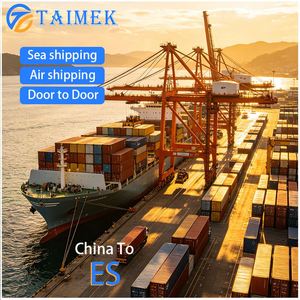
Customs Clearance Advanced Logistics Warehousing Management

Customs Brokerage, FTZ Warehousing & Distribution

Duty deferral via Foreign Trade Zone hubs, inventory storage, commercial invoice audit, and tariff code optimization for Nigerian importers.
Send an Inquiry
Sea Shipping Forwarder Port Delivery Logistics Tracking

Heavy Industrial & Project Cargo Breakbulk Forwarding

Out-of-gauge (OOG) machinery, oilfield equipment, and construction materials handled via heavy-lift ocean shipping direct to Port Harcourt & Lekki.
Send an Inquiry
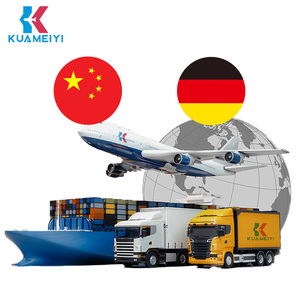
Customized Supply Chain Brokerage Corporate Services

Enterprise Supply Chain Management & Procurement Logistics

Customized trade compliance management, vendor auditing, bulk freight rate negotiation, and white-glove corporate account execution.
Send an Inquiry
Multimodal Railway Truck Ocean Air Cargo Service

Cross-Border Multimodal Drayage & Cold-Chain Solutions

Reefer container transportation and inland bonded trucking lines connecting Nigerian coastal ports with interior hubs like Kano, Kaduna, and Abuja.

Send an Inquiry
99.4%
On-Time Customs Release
15,000+
TEU Containers Shipped/Year
NVOCC
FMC Licensed & Bonded
24/7
Bilingual Support (EN/HA/YO/IG)

1. Executive Strategic Overview: Engineering Global-to-Nigeria Supply Chains

Navigating international trade into Nigeria requires more than simple freight forwarding; it demands an architected end-to-end supply chain infrastructure optimized for West Africa’s dynamic trade regulations. As a premier Global Freight Manufacturer & Logistics Supplier serving Nigeria, our organization bridges manufacturing plants across China, North America, and Europe directly to Nigerian industrial clusters. By controlling every node—from ocean vessel space allocation down to local customs clearance at Lagos ports—we eliminate supply chain friction, minimize port demurrage, and guarantee landed cost transparency.

Nigeria represents Africa’s largest economy, driven by rapid urbanization, expanding infrastructure projects, and robust consumer demand. However, local importers frequently face operational hurdles including complex documentation (Form M and PAAR), currency fluctuations, port congestion at Apapa and Tin Can Island, and stringent pre-shipment inspections like SONCAP and NAFDAC. Our platform integrates deep regulatory intelligence with NVOCC carrier power, providing Nigerian enterprises, government contractors, and international suppliers with a resilient conduit for commercial expansion.

The Mechanics of Information Gain in Global-Nigeria Freight Architecture

Traditional freight forwarders operate as mere transactional brokers, handing off cargo to unverified third-party clearing agents once ships anchor at Nigerian berths. In contrast, our operational framework enforces single-point accountability. By combining Foreign Trade Zone (FTZ) warehousing options in global transit hubs with direct integration into the Nigeria Integrated Customs Information System (NICIS II), we accelerate import processing by up to 60% compared to industry benchmarks.

2. Localized Application Scenarios Across Nigerian Commercial Hubs

Customized logistics frameworks built to address specific sector demands and regional infrastructure dynamics within Nigeria.

Lagos Metropolitan & Port Complex (Apapa / Tin Can / Lekki)

Handling high-density containerized consumer goods, electronics, and textiles. Utilizing barge transfers from Lekki Deep Sea Port to bypass corridor congestion and deliver direct to Ikeja, Victoria Island, and Ogun State industrial estates.

Port Harcourt & Niger Delta Oil & Gas Corridor

Specialized heavy-lift breakbulk chartering and hazmat air freight to Port Harcourt (Onne Port) and Warri. Providing strict adherence to NUPRC standards for oilfield pipes, valves, drill rigs, and refinery components.

Northern Agricultural & Power Grid Infrastructure (Abuja / Kano)

Bonded inland drayage via road and rail corridors. Delivering heavy electrical transformers, solar energy installations, and industrial processing machinery to Abuja, Kano, and Kaduna under protective customs transit bonds.

3. Localized Development Trends & Macro-Economic Dynamics in Nigeria

The Nigerian shipping landscape is undergoing structural modernization. Understanding these macro shifts allows global suppliers and local procurement directors to optimize their logistics budgeting and mitigate supply chain bottlenecks:

  • The Operationalization of Lekki Deep Sea Port: As Nigeria's first fully automated deep-sea port, Lekki allows post-Panamax vessel calls with drafts up to 16.5 meters. Our ocean services leverage direct carrier calls to Lekki, drastically shortening vessel dwell times and avoiding historical Apapa gridlock.
  • Implementation of the AfCFTA Framework: The African Continental Free Trade Area agreement is transforming regional trade. We assist Nigerian enterprise clients in utilizing AfCFTA rules of origin to enjoy tariff concessions across intra-African supply corridors.
  • Transition to Paperless Customs (NICIS II & Non-Intrusive Scanners): Nigeria Customs Service (NCS) has accelerated digitized documentation. Our pre-arrival clearance system aligns directly with electronic PAAR generation, reducing physical container inspection delays at berth.
  • Currency Volatility Management (FX & Landed Cost Hedging): Operating under DDP (Delivered Duty Paid) terms allows Nigerian importers to hedge against Naira exchange rate fluctuations by locking in freight, customs duties, and local transport in transparent, single-currency contracts.

4. Enterprise Advantage: Why Industry Leaders Choose Our Global Logistics Platform

Derived from decades of NVOCC leadership, Miami hub expertise, and extensive Asian supplier integration, our global network offers unique operational moats for Nigerian trade corridors:

Licensed NVOCC Carrier Rates

Direct service contracts with tier-1 ocean alliances (Maersk, CMA CGM, COSCO, MSC) yield guaranteed vessel space and discounted freight rates passed directly to our clients.

FTZ Deferral & Warehousing Hubs

Utilize foreign trade zone warehousing in China, Miami, and Europe to consolidate cargo from multiple manufacturers before executing bulk shipments into Lagos.

In-House Regulatory Compliance Desk

Specialized customs officers dedicated exclusively to Nigerian import rules. We manage Form M opening, e-Valuation, NES processing, and SONCAP/NAFDAC certificates seamlessly.

5. Frequently Asked Questions by Nigerian Importers & Procurement Managers

Expert technical insights addressing real-world documentation, customs clearance, and shipping execution challenges in Nigeria.

What is Form M and PAAR, and why are they critical for importing into Nigeria?
Form M is a mandatory statutory document required by the Central Bank of Nigeria (CBN) and Nigeria Customs Service for all commercial imports into the country. It registers your intention to import goods. Once Form M is approved and final shipping documents (Commercial Invoice, Bill of Lading, Packing List, Certificate of Origin) are submitted, Customs generates the Pre-Arrival Assessment Report (PAAR). PAAR establishes the official duty assessment value and tariff classification. Our in-house team handles the complete submission process to prevent valuation disputes or unexpected customs reassessments.
How does SONCAP certification work for manufactured goods shipped to Nigeria?
The Standards Organisation of Nigeria Conformity Assessment Programme (SONCAP) mandates that regulated manufactured goods meet Nigerian Industrial Standards (NIS). The process involves two phases: obtaining a Product Certificate (PC) during manufacturing/pre-shipment, followed by a SONCAP Certificate (SC) generated per shipment. Without a valid SC, goods cannot clear customs. Our global origin desks work directly with accredited testing labs worldwide to verify compliance before your container sails.
Should Nigerian buyers choose DDP (Delivered Duty Paid) or FOB shipping terms?
Under FOB (Free on Board), the Nigerian buyer assumes all risk, freight costs, marine insurance, local customs clearance, and inland drayage upon vessel departure. Given the complexities of Nigerian customs clearance and potential terminal demurrage charges, DDP (Delivered Duty Paid) is highly recommended for commercial peace of mind. Under our DDP solution, our organization manages freight, customs duty payment, terminal charges, and final door delivery, presenting you with a single consolidated invoice and zero hidden fee surprises.
How do you prevent expensive port demurrage and detention charges at Lagos ports?
Demurrage occurs when containers linger at port terminals past the free-time period (typically 5 to 7 days in Nigeria). We mitigate this risk through our "Pre-Clearance Protocol": audit of commercial invoice and packing list data 10 days before vessel arrival, early submission of PAAR documents, pre-booking of off-dock bonded terminal transfers, and utilizing our private barge fleet to move containers directly from shipside at Apapa/Lekki to off-port warehouses.
What is the typical transit time for ocean freight from China/USA to Lagos ports?
Standard ocean freight transit from major China base ports (Ningbo, Shanghai, Shenzhen) to Lagos ports ranges from 30 to 38 days depending on vessel routing (direct vs. transshipment via Tangier or Singapore). Ocean freight from US Gulf/East Coast ports (Miami, Houston, Savannah) typically averages 28 to 35 days. For time-critical shipments, our express air freight service delivers door-to-door in 4 to 7 business days via LOS airport.

Ready to Optimize Your Shipping & Freight Logistics to Nigeria?

Partner with a licensed NVOCC and global freight manufacturer equipped to handle your ocean, air, and customs clearance needs with complete landed cost accuracy.

Send an Inquiry